
dream journal & dream diary

A dream journal that reads the record back to you.

One dream on its own rarely says much. Written down night after night, the same houses, people, exits and pressures start to repeat. MythRadar keeps that record and shows you what is repeating in it.

  • Write each dream in plain language, in under a minute.
  • Get a grounded reading of what the entry may be circling.
  • Track recurring symbols, people and emotional tones over time.

Private by default. No card required to begin.

A heavily used dream journal open on a navy desk, surrounded by loose dated pages whose repeated motifs are circled and linked in oxblood pencil
The same record, read twice: once as it happened, once for what keeps returning.

Storage is the easy half. Reading it is the useful half.

Dreams fade within minutes of waking, and any single one is thin material. Written down, they behave differently. The same house keeps appearing. Someone you have not spoken to in years keeps turning up. The same chase, the same exam, the same missed train. A dream diary turns a vague sense of repetition into something you can check.

Reading one dream is easy. Reading thirty against each other is where the pattern appears. MythRadar keeps the record together, so recurring symbols, people, emotional tones and waking-life parallels can be seen across entries instead of forgotten between them.

1
entry is a dream
10
entries reveal recurrence
30
entries begin to show a pattern

three steps, every entry

Write it, read it, then watch it repeat

An open journal half filled with handwriting beside a bedside lamp in early morning light.

One

Capture it before it goes

Write the dream in plain language, however broken up it is. No format to learn, no tags to invent. Note the feeling it left behind; that part is evidence too.

A brass reading lens and dividers held over a page of annotated handwritten notes.

Two

Read it closely, not mystically

Each entry comes back with its symbols named, what the dream appears to be circling in waking life, and one thing worth testing. No predictions, no verdicts.
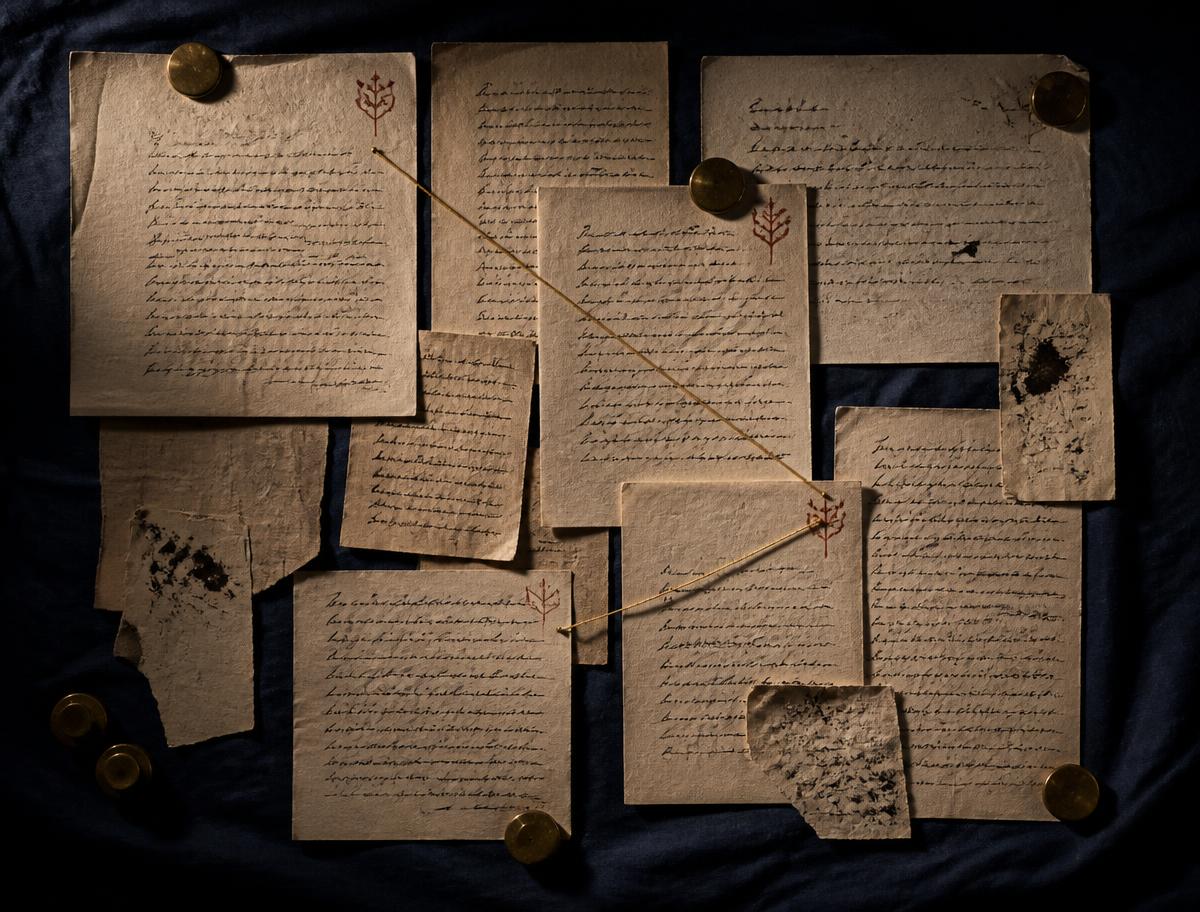
Overlapping handwritten pages on dark linen, three of them marked with the same motif and joined by a brass thread.

Three

See what keeps returning

Repeated symbols, settings, people and emotional tones are tracked across entries and collect into your Personal Mythology: the pattern your record has been building all along.

How to start a dream journal tonight

  1. Decide where it lives. One place, always the same place. A notebook by the bed or MythRadar on your phone. The habit matters more than the medium, though only one of them can read the record back.
  2. Write before you check anything else. Messages and news overwrite a dream within seconds. Two lines written first beat a full page written an hour later.
  3. Record the feeling, not just the plot. Dread, relief, embarrassment, tenderness. The emotional tone is usually the clearest link back to what is live in waking life.
  4. Read it back weekly. The step most people skip, and the one that makes a dream diary worth keeping. MythRadar runs it for you as the entries accumulate.

Not sure what a symbol is doing there? The Dream Dictionary covers the recurring ones, and the method explains how single entries turn into a pattern.

Common questions

What is a dream journal?
A dream journal is a running record of your dreams, written as close to waking as you can manage. Kept consistently, it stops being a list of strange nights and becomes evidence: the same rooms, the same people, the same tension showing up again and again.
Is a dream journal the same as a dream diary?
In practice, yes. Dream diary usually names the writing habit; dream journal tends to be used when the record is also read back. MythRadar does both, because every entry is read against everything you have already written.
How do I start a dream journal?
Write the dream in plain language before you check your phone, and include the feeling it left behind. Detail matters less than frequency. Three rough entries a week will show you more than one careful entry a month.
What does a dream journal app add that a notebook does not?
A notebook holds the record. It cannot read it back. MythRadar keeps the same plain writing habit and then does the part almost nobody does by hand: comparing entries, tracking what repeats, and building your Personal Mythology as the record grows.
Is it free to start?
Yes. The free plan includes a limited number of readings each month. A membership removes the limit and adds the longer multi-lens readings and your Personal Mythology.

Start tonight. Read the pattern in a month.

The record is only worth as much as it is complete. Write tonight's entry, and let the repetitions surface on their own.