the archetype library
Jungian Archetypes.
Twelve ways of being a person.
Jungian archetypes are inherited patterns of human behaviour - recurring figures that shape what a person notices first, what they protect, and what they keep doing when the stakes rise. Carl Jung described them as structures of the collective unconscious rather than a fixed list; the twelve archetypes read here come from later systems built on his work.
Read any entry on its own. Read three and the argument of the library becomes clear: the strength and the shadow are the same instinct, turned different ways.
What Jung actually said - and where the twelve came from
Jung wrote about archetypes as inherited dispositions that organise experience: the shadow, the anima and animus, the mother, the trickster, the self. He never published a tidy set of twelve. The twelve-archetype model most people meet online is a later systematisation, and its names drift between sources - the Seeker is often called the Explorer, the Rebel the Outlaw, the Trickster's lighter relative the Jester. The pattern underneath survives the renaming, which is why this library keeps one canonical entry per pattern and names its alternatives inside it.
How an archetype shows up in an ordinary week
Not as a label, and rarely as a dramatic moment. An archetype shows up in the second sentence of an argument, in the job left the same month the last two were left, in who gets apologised to first. It shows up in what a person volunteers for before being asked. Archetypes are legible in repetition, which is why one snapshot tells you very little and a year of choices tells you almost everything.
01
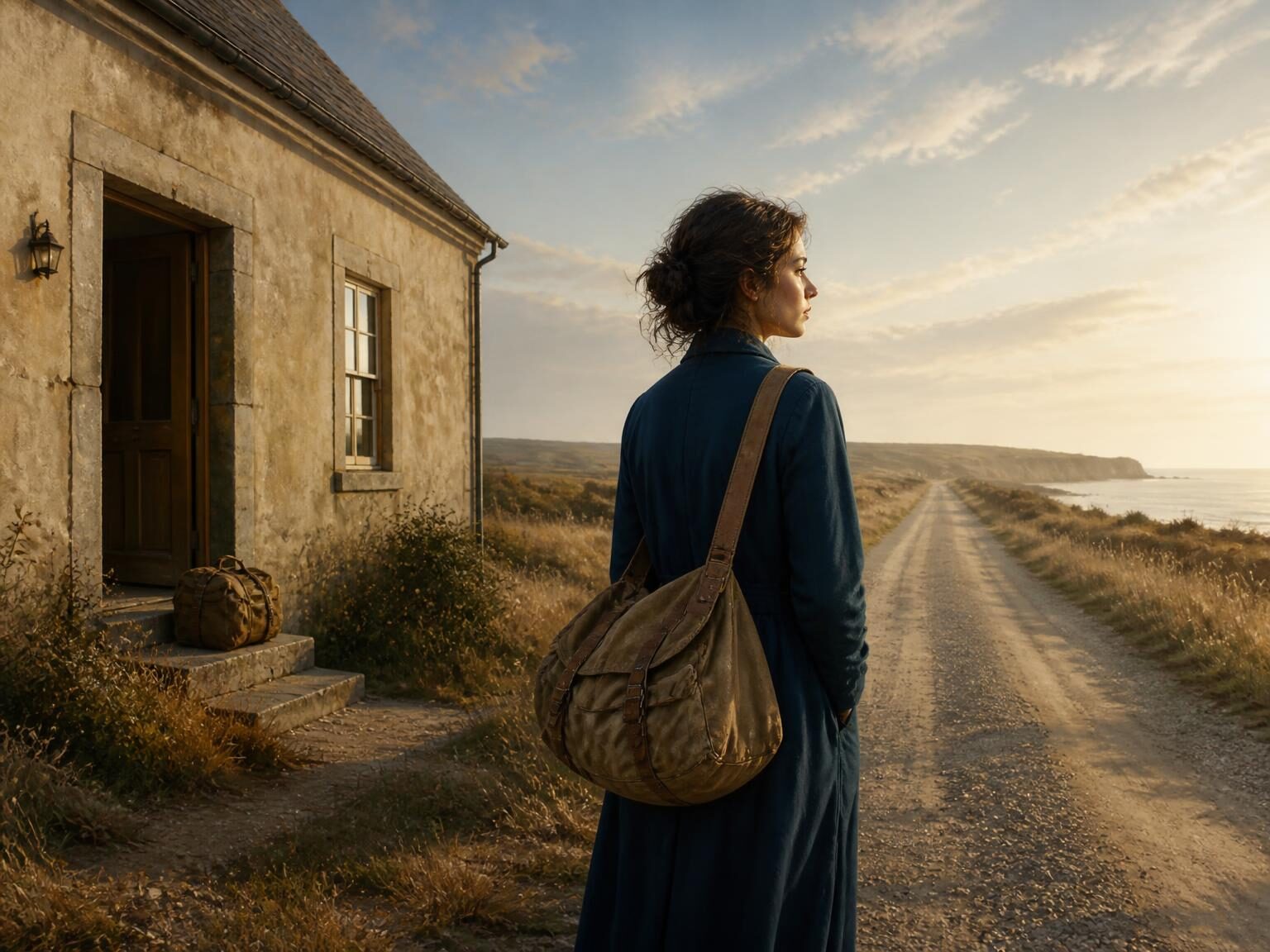
The Seeker
The Seeker keeps moving because arrival has always felt like a smaller idea than the road itself.

02
The Sage
The Sage turns confusion into structure, then uses that structure as a wall between themselves and feeling.
03
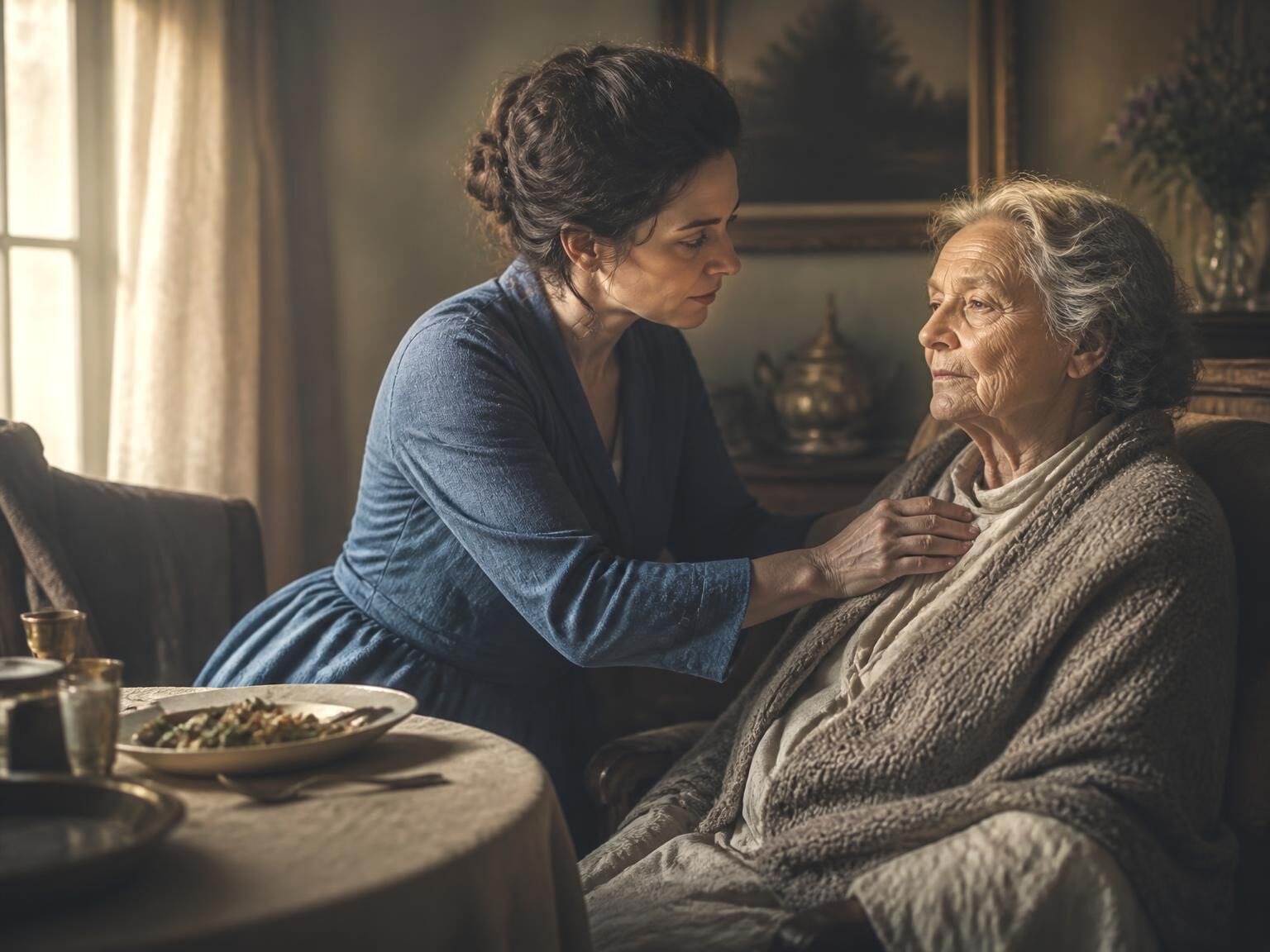
The Caregiver
The Caregiver earns love by being needed, which makes their own needs the first thing to disappear.
04
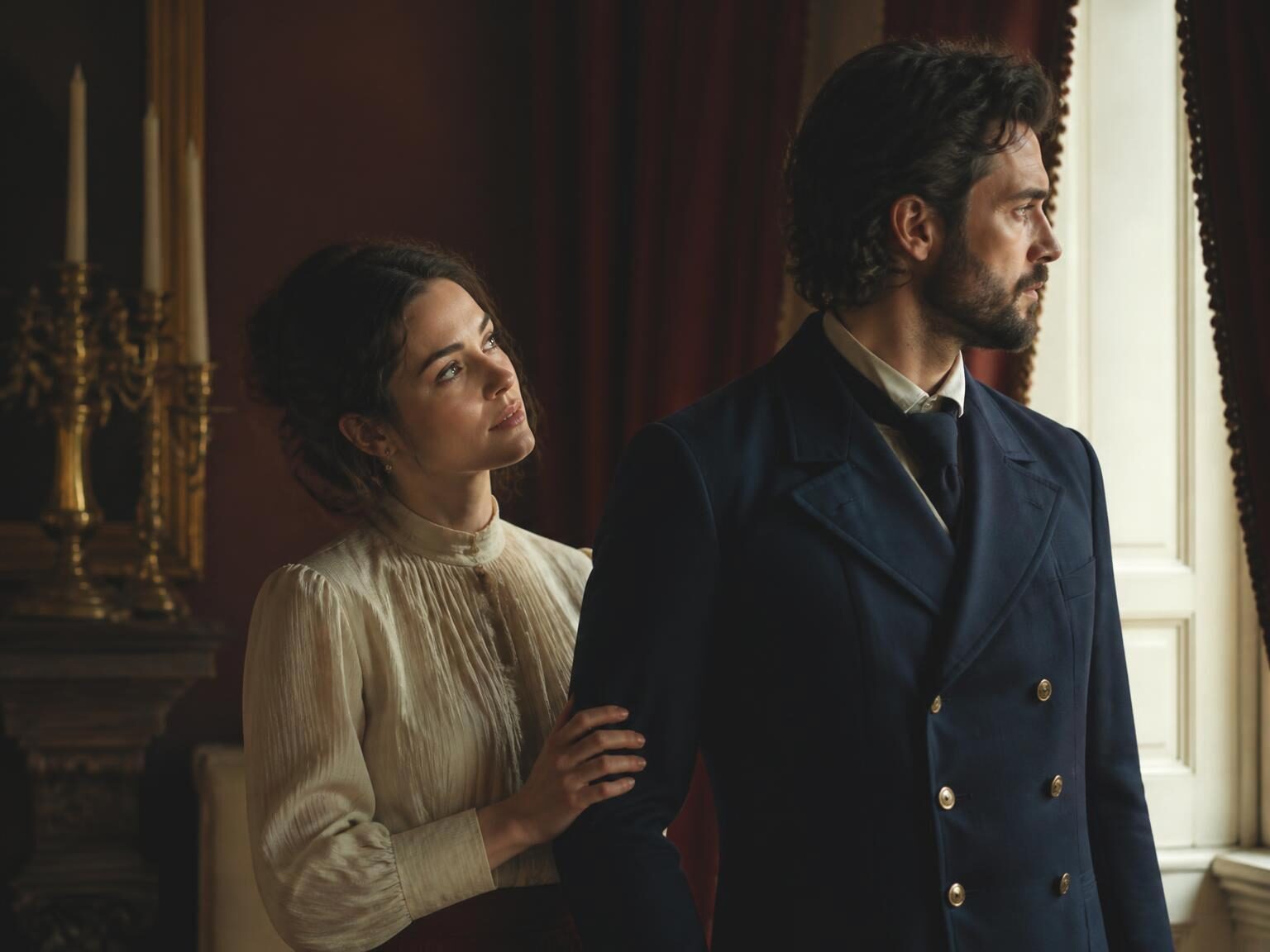
The Lover
The Lover archetype finds meaning through connection, and struggles when love feels absent.

05
The Ruler
The Ruler archetype seeks order and responsibility, and fears the chaos that comes when control slips.
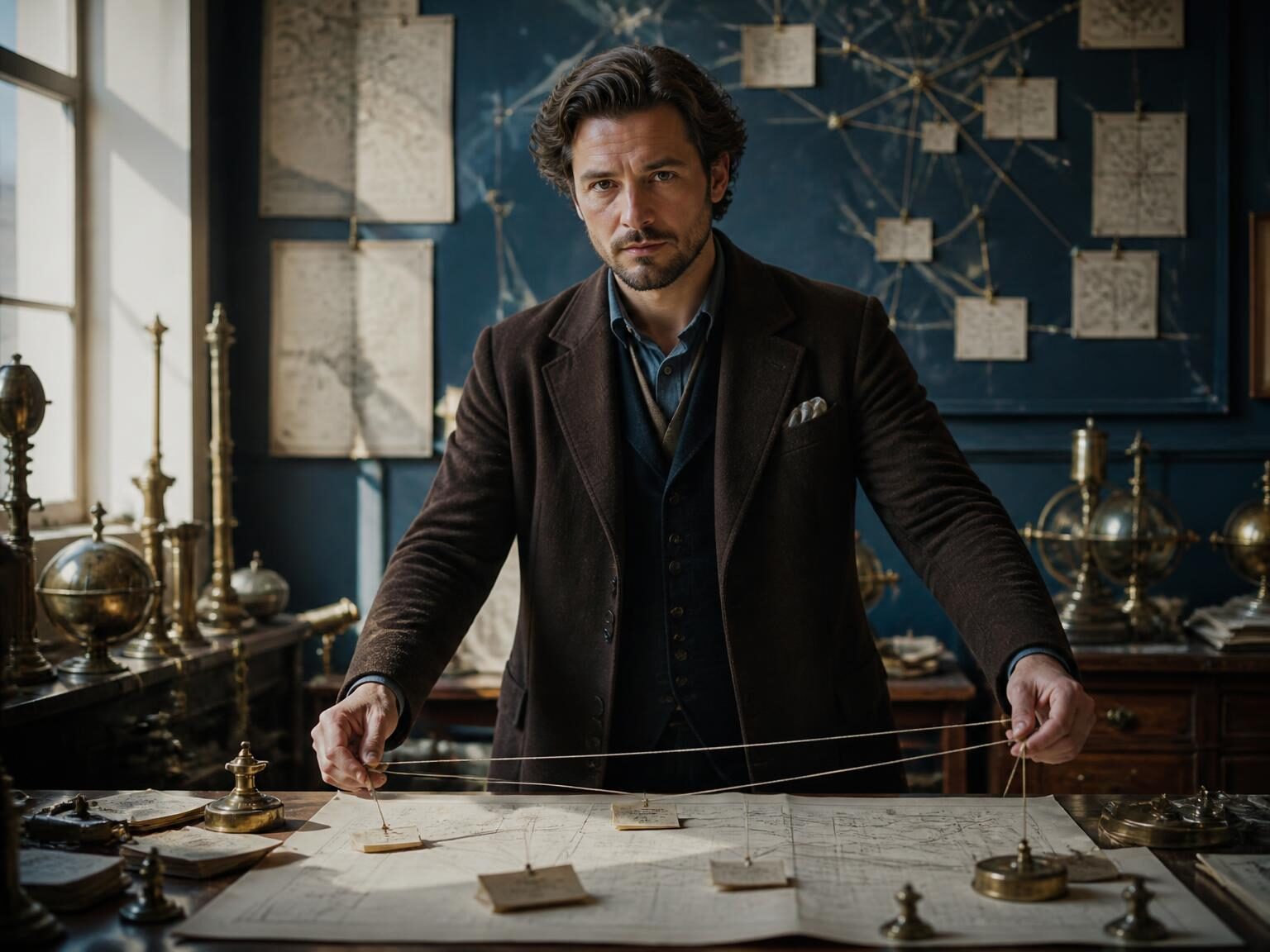
06
The Magician
The Magician archetype turns understanding into change, and struggles when transformation is denied.
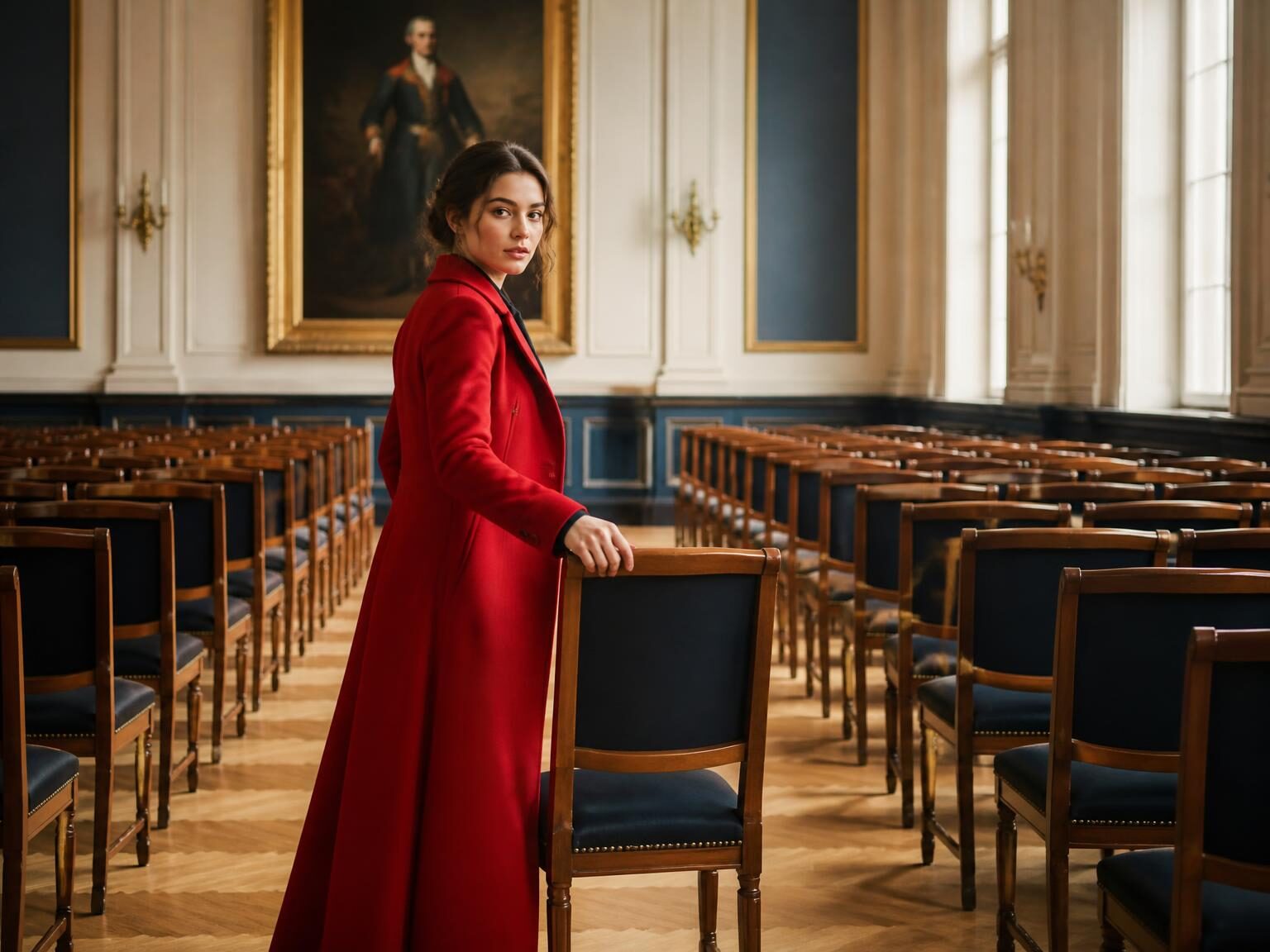
07
The Rebel
The Rebel breaks rules that have stopped serving anyone, starting with the self.
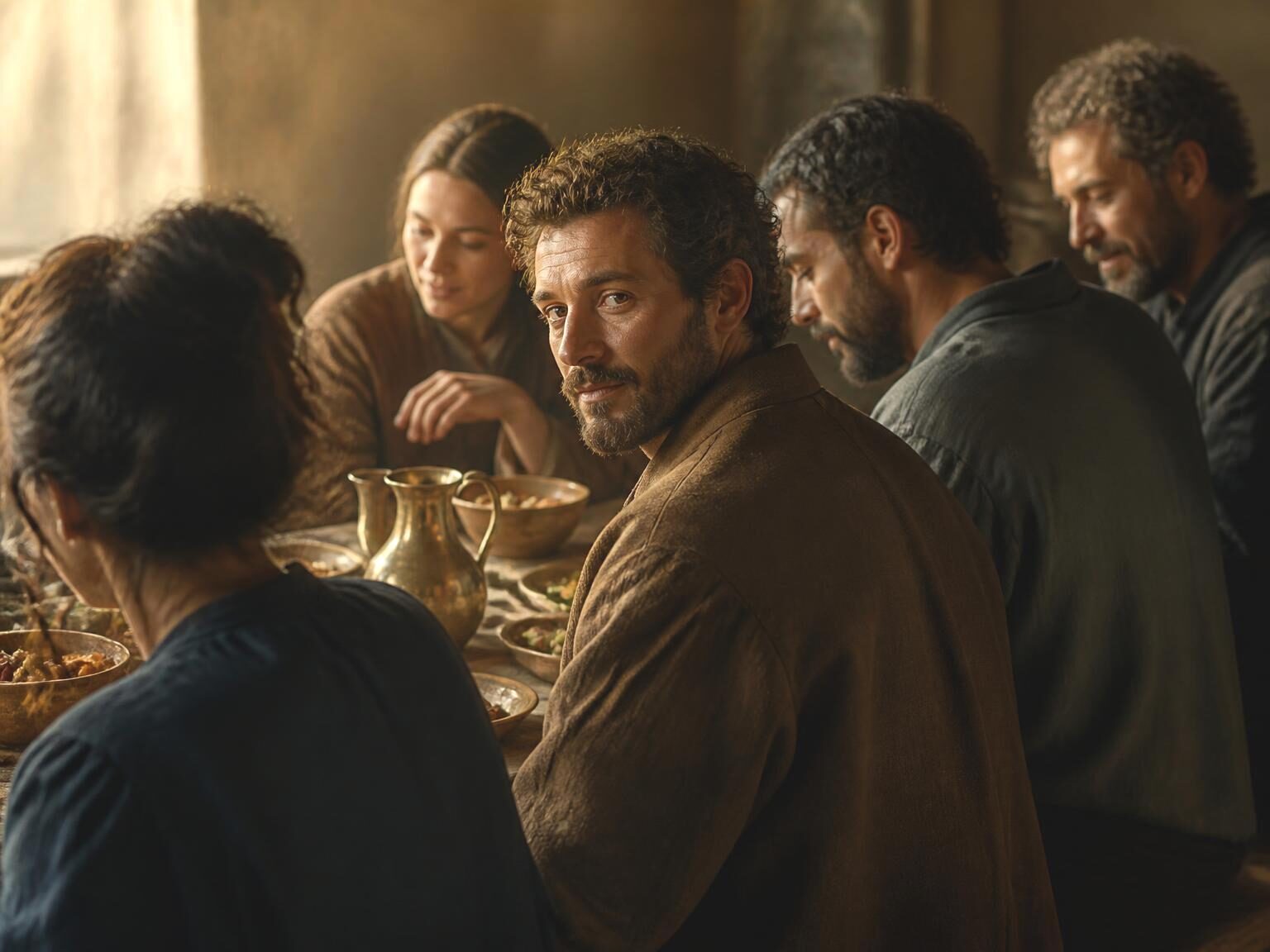
08
The Everyman
The Everyman finds strength in belonging rather than standing apart from it.

09
The Creator
The Creator turns an unformed idea into something that can be touched, tested and used.
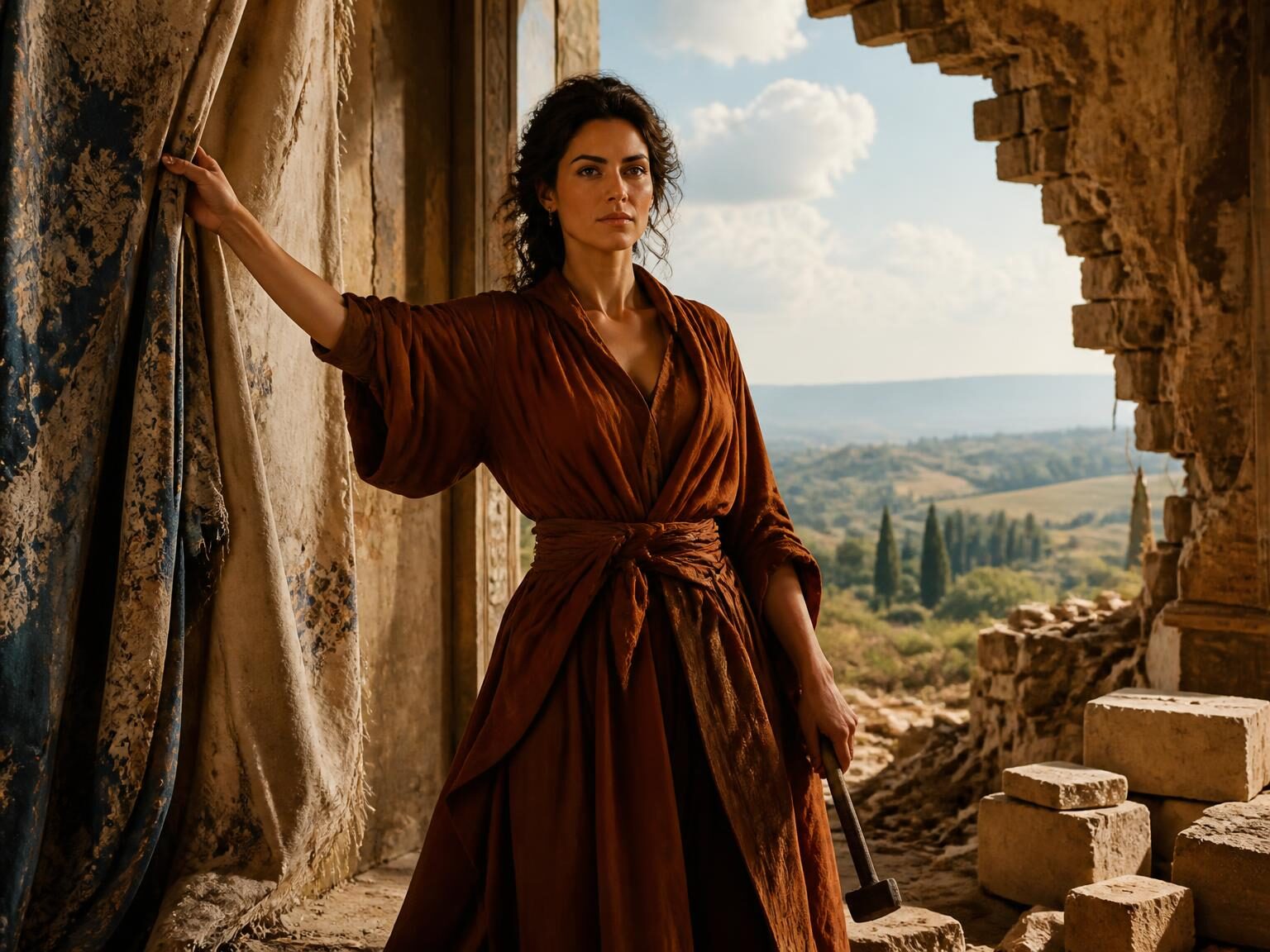
10
The Destroyer
The Destroyer archetype ends what no longer serves you, so something truer can take its place.
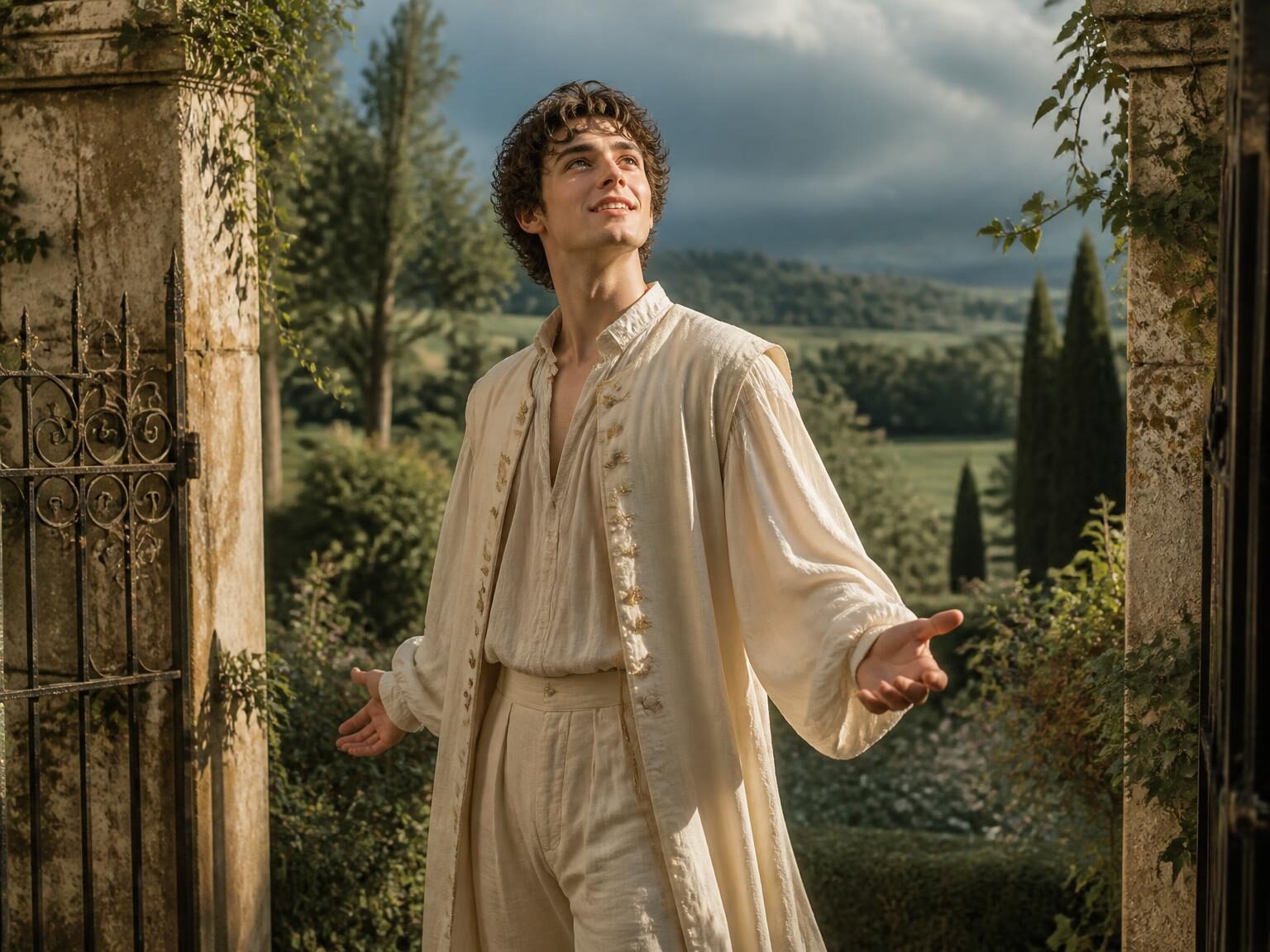
11
The Innocent
The Innocent archetype keeps faith that things can be good, even after evidence has argued otherwise.
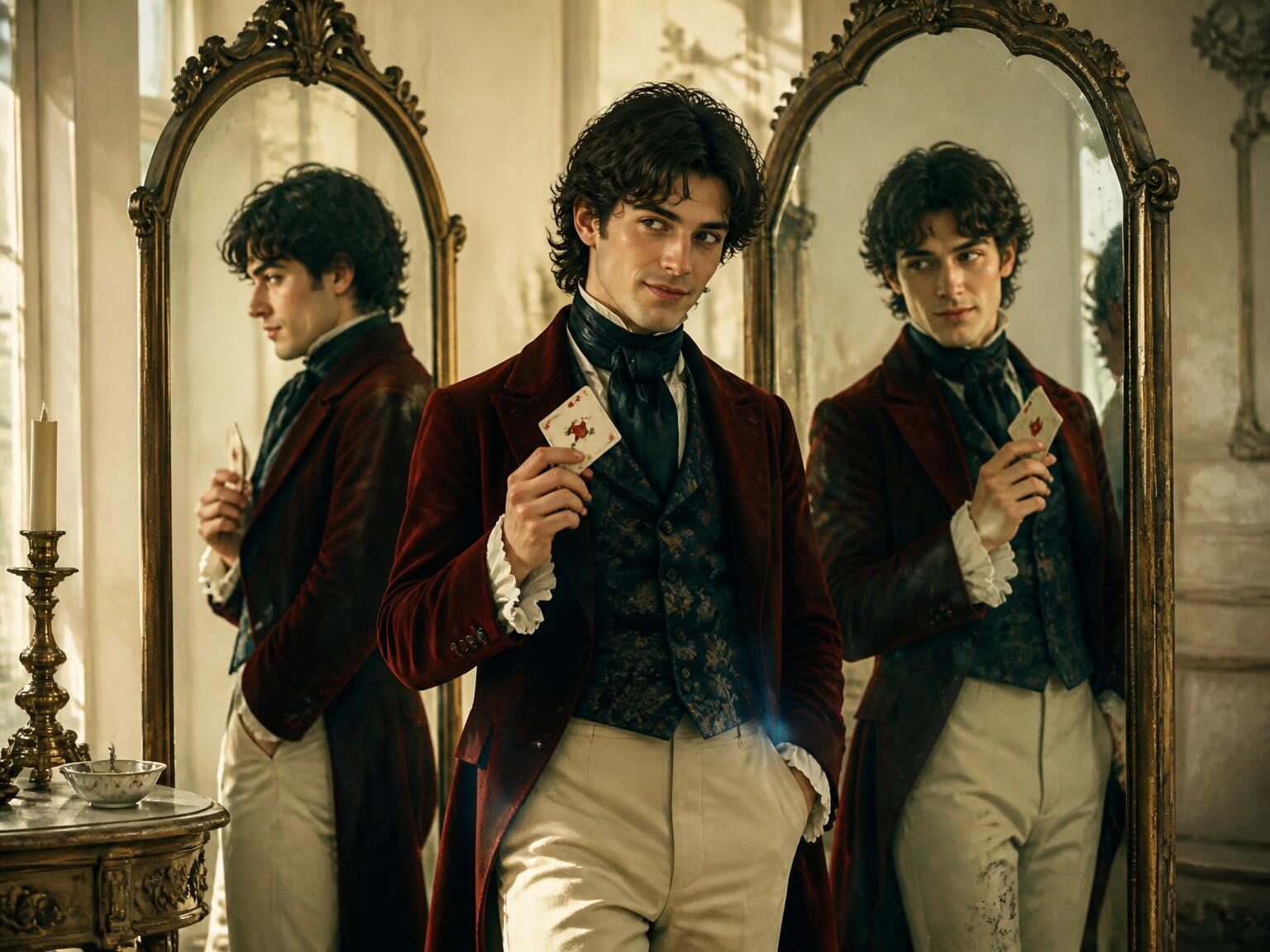
12
The Trickster
The Trickster archetype delivers a needed truth wrapped in disruption, disguise, or a joke that lands too well.
Patterns, not boxes
No one is a single archetype. Most people run two or three at once, with a fourth held in reserve for pressure. The useful question isn't which one you are; it's which one takes over when something is at stake, and which one you quietly abandon to keep the peace.
The shadow side of every archetype
Every archetype has a shadow expression, and it is never a different instinct - it's the same one spent badly. The Caregiver's attention becomes control. The Seeker's curiosity becomes flight. The Ruler's responsibility becomes a refusal to be governed. Reading the shadow is not a diagnosis; it's how you tell growth apart from a well-narrated escape.
Archetypes in dreams
Archetypes are often easier to see asleep than awake, because dreams drop the editing. A road that keeps stretching, a house with a room you'd forgotten, a figure at the door you half recognise - these recur along archetypal lines. The Dream Dictionary reads those symbols one at a time, and People in Dreams covers the figures most likely to be carrying an archetype for you.
Archetypes and Personal Mythology
An archetype is one character in a longer story. A Personal Mythology is what happens when the archetype, the recurring dream and the repeated decision are read together - the pattern rather than the portrait. If you'd rather start from a result than from reading, take the archetype quiz.
One archetype is a portrait. The pattern is the story.
Knowing which archetype is running is useful. Watching which one takes over under pressure, and which one you abandon to keep the peace, is where the reading actually begins.