The Caregiver Archetype
The Caregiver earns love by being needed, which makes their own needs the first thing to disappear.
what is the caregiver archetype?
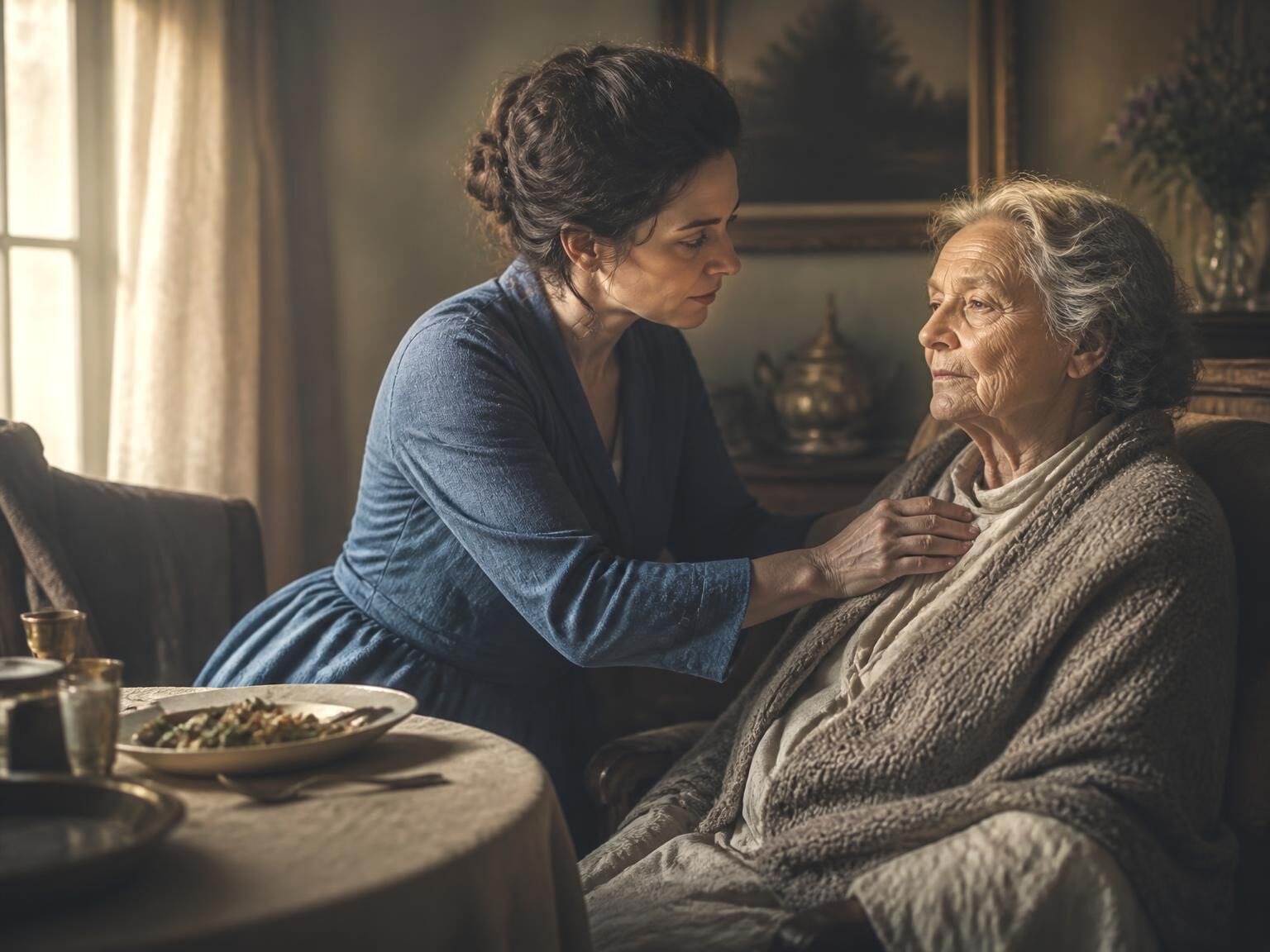
The Caregiver archetype is the part of a person that feels most secure when someone nearby has a need they can meet. It shows up as the instinct to anticipate what others require before they've asked, and a discomfort that sets in the moment attention turns back toward the Caregiver's own unmet wants. This pattern is built early, in households where being useful was the surest way to be kept close, and it produces real generosity: the Caregiver notices what others miss and shows up when it matters. The cost surfaces later, when a life organised entirely around being needed leaves the Caregiver without a clear answer to what they actually want for themselves.
The pattern at the centre
Every archetype organises itself around a single unresolved question, and for the Caregiver that question is whether they're still worth keeping once there's nothing left to give. Being needed becomes the evidence for belonging, so the Caregiver keeps generating occasions to be needed, at times by staying near people whose problems never quite resolve.
This is why the Caregiver's help so rarely stops at the point where it's actually asked for. Helping past that point isn't generosity anymore, it's reassurance-seeking wearing generosity's clothes, and the difference is invisible from the inside until the exhaustion makes it undeniable.
What drives the Caregiver
What drives the Caregiver is a conviction, absorbed long before it could be questioned, that love has to be earned through usefulness rather than given freely for existing. Meeting a need becomes proof that the relationship is safe for one more day, and the Caregiver keeps producing that proof because the safety never feels permanent enough to stop.
Underneath that conviction sits a harder motive, which is the fear of being a burden if the roles ever reversed. Asking for help would mean occupying the position the Caregiver has spent years rescuing others from, and that position feels, to them, like the one place they're not allowed to stand.
Where the Caregiver becomes valuable
The Caregiver becomes valuable wherever a group or family is under real strain, because they notice exhaustion in other people before those people notice it themselves, and they act on that noticing without waiting to be asked. In a crisis, the Caregiver is the reason everyone else made it through intact.
This attentiveness also builds a specific kind of trust that's hard to manufacture any other way: people around the Caregiver learn that their struggles will be seen and met without having to perform them loudly. That reliability, sustained over years, is what turns a household or a team into something that holds together under pressure.

The tension inside the archetype
The tension inside the Caregiver is that meeting everyone else's needs consistently enough to be depended on requires setting their own needs aside consistently enough to lose track of them. The two habits reinforce each other until the Caregiver can describe, in detail, what everyone around them wants, and struggle to answer the same question about themselves.
The Caregiver also wants to be cared for in return, but the version of care they'd accept has to arrive unprompted, because asking for it would break the unspoken rule that they're the one who gives. So they wait for a kind of attentiveness they'd never withhold from someone else, and the waiting rarely ends the way they hoped.
Shadow expression
In its shadow form, the Caregiver's giving stops being about the other person's need and starts being about the Caregiver's own need to be indispensable. Help arrives whether it was requested or not, and withdrawing it becomes a form of leverage, a way of reminding someone how much they depend on being taken care of.
Left unchecked, this produces relationships built on obligation rather than affection, where the people the Caregiver looks after start to feel managed instead of loved. The shadow Caregiver resents the very dependence they worked hard to create, and that resentment leaks out sideways, in exhaustion, in martyrdom, in help that arrives with a debt attached.
The Caregiver in relationships
In relationships, the Caregiver brings a level of attentiveness that partners describe as the safest they've felt, because their moods and needs are tracked with genuine care rather than obligation. Early on, being that thoroughly looked after feels like being loved correctly for the first time.
Over time, though, the imbalance becomes its own problem. A partner who is only ever cared for, never asked to reciprocate, eventually starts to feel like a project rather than an equal, and the Caregiver, starved of the same attention they give so freely, starts to feel invisible inside a relationship they built almost entirely by hand.
The Caregiver in work, ambition and decisions
In work, the Caregiver excels in roles that reward anticipation of unspoken needs: managing people, holding teams together during change, absorbing the parts of a project no one else volunteers for. They're the reason a workplace feels humane rather than purely transactional.
Where this becomes costly is in the Caregiver's difficulty setting limits on their own workload, since every request looks like a need and every need looks like theirs to meet. Handled well, the Caregiver learns that saying no to one demand protects their capacity to meet the ones that matter most. Handled poorly, they burn out having never told anyone how close to empty they were.
What MythRadar would notice
What MythRadar would notice about the Caregiver isn't any single act of giving but its recurrence: the baby that keeps appearing in dreams needing to be fed or soothed, the mother figure who keeps showing up in scenes of quiet responsibility, the hospital corridor where someone else is always the patient.
The pattern shows up in waking choices too, a relationship chosen because it needed fixing, a job taken because a team was struggling and someone had to hold it together. MythRadar's role isn't to talk the Caregiver out of caring; it's to make the recurrence visible enough that they can ask, honestly, who's been taking care of them while they were busy taking care of everyone else.
next step
Is the Caregiver the one running your life right now?
The Archetype Finder takes a few minutes and reads for the pattern rather than the mood - the dominant archetype, the one emerging, and the one you keep in shadow.
Personal Mythology
Where does this archetype show up in your own life?
Save it, add a dream or a recurring thought, and MythRadar can help you read how they connect.
That reading is your Personal Mythology. It begins with what you choose to add.
Archetypes that sit close to this one
Neighbours worth reading next - they share an instinct and spend it differently.

The Lover
The Lover archetype finds meaning through connection, and struggles when love feels absent.

The Innocent
The Innocent archetype keeps faith that things can be good, even after evidence has argued otherwise.

The Destroyer
The Destroyer archetype ends what no longer serves you, so something truer can take its place.
Dreams this archetype tends to send
Entries from the Dream Dictionary that keep company with this pattern.




Related reading
- The Caregiver Archetype: The Cost of Saving Everyone ElseThe Caregiver holds the world together by pouring themselves into it. The question is what is left in the pitcher, and whether anyone notices when it is empty.7 min
- The Mother Archetype: The Love That Shapes the WorldThe Mother is not only a person. It is the part of the psyche that holds, feeds, and shapes - and the part that can devour what it loves if it never finds its limit.8 min
- Principle 008 The Agreements You Never Knew You MadeFew people consciously choose the lives they repeatedly create. Beneath every recurring pattern sits an agreement made long before it was understood. The psyche remembers those agreements long after consciousness has forgotten making them.7 min