The Innocent Archetype
The Innocent archetype keeps faith that things can be good, even after evidence has argued otherwise.
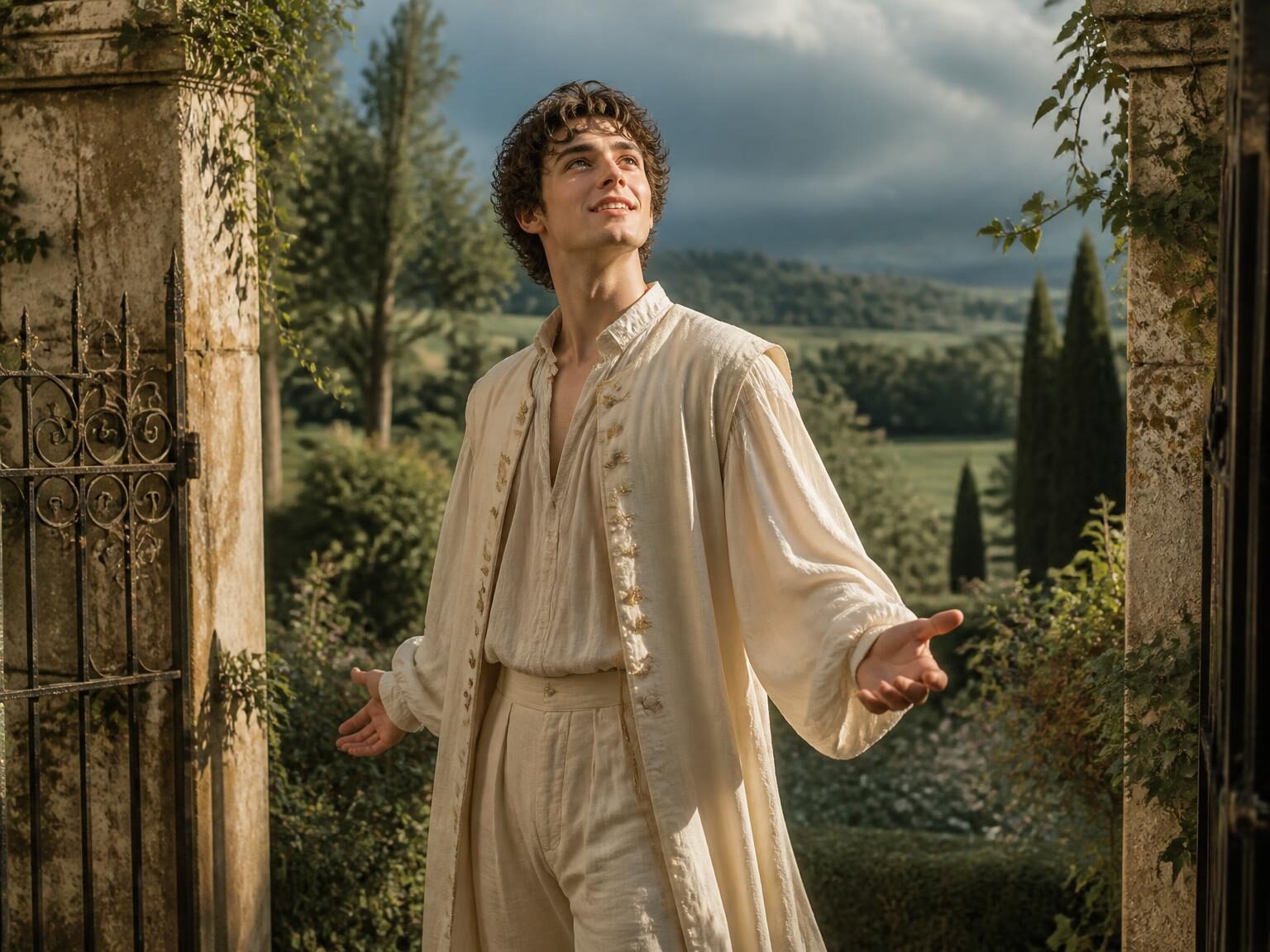
what is the innocent archetype?
The Innocent archetype is the pattern of trust that persists before it has been fully earned: a belief that people, situations, and outcomes can be good, held onto even though experience has already offered reasons for doubt. It is not naivety in the sense of ignorance. It is a deliberate, effortful decision to keep faith rather than harden into suspicion. The Innocent shows up in the person who forgives quickly, the one who assumes good intent by default, and the one who keeps trying a version of hope that has already disappointed them once, on the theory that this time could be different.
The pattern at the centre
At the centre of the Innocent archetype is a refusal to let one bad outcome rewrite the whole story. Something goes wrong, trust is broken, or a plan collapses, and instead of concluding that trust or planning themselves were the mistake, this pattern isolates the incident and keeps the underlying belief intact. That isolation is deliberate, even if it doesn't feel deliberate from the inside; it's how the person keeps functioning without becoming someone who expects the worst by default.
This looks, from the outside, like an inability to learn. It is not. The Innocent learns plenty about specific people and specific situations; what it protects is the general premise that good outcomes remain possible at all. Give up that premise and every subsequent decision gets made from suspicion instead of openness, which closes off exactly the kind of unexpected good outcome the Innocent is trying to stay available for.
The pattern becomes visible whenever someone around this archetype expects them to have hardened and they haven't. After a betrayal, a failure, or a loss that would reasonably make almost anyone guarded, the Innocent stays reachable in a way that surprises people who assumed the damage would show. That surprise is the first clue that this archetype is running the show underneath.
What drives the Innocent
The Innocent is driven by a conviction that cynicism costs more than it protects. Guarding against every possible disappointment in advance means missing every good outcome that required a moment of unguarded trust to happen at all. This archetype has usually done that arithmetic, consciously or not, and decided that the occasional letdown is a fair price for staying open to the outcomes that only show up when you're not braced against them.
There is also a drive to keep a version of the world intact that feels worth living in. Once someone starts assuming the worst of people, the world genuinely becomes a worse place to move through, regardless of what's objectively true. The Innocent's faith functions partly as self-fulfilling: treating people as trustworthy tends to draw out more trustworthy behaviour than treating them as suspects does, and this archetype has usually noticed that effect even without naming it.
Underneath both is a drive to preserve something delicate that gets destroyed easily and rebuilt slowly: the capacity to be delighted by an outcome rather than merely relieved by it. Cynicism trades delight for safety. The Innocent keeps choosing delight, deliberately, because the alternative is a kind of safety that costs the exact thing that made the good outcomes worth wanting in the first place.
Where the Innocent becomes valuable
This archetype becomes valuable in situations where everyone else has already decided something won't work and stopped trying. New teams, fragile reconciliations, and long-shot plans all depend on someone still willing to extend belief past the point where the evidence justifies it, because belief is the ingredient that makes the evidence eventually turn favourable. The Innocent supplies that ingredient when the room has run out of it.
It is also valuable as a check against the kind of institutional cynicism that lowers everyone's expectations of each other. A team, a family, or a friendship that has one person still assuming good faith tends to behave better than one where suspicion has become the default operating assumption, since people generally rise or fall to the level of trust actually extended to them.
The clearest value is the Innocent's capacity for genuine repair after conflict. Where other patterns keep score, this one is willing to reset the count entirely, which is the only thing that actually allows two people to move forward rather than manage an ongoing grievance. Reconciliation needs someone willing to go first, and this archetype usually will.

The tension inside the archetype
The tension inside the Innocent archetype is that faith and evidence occasionally, genuinely disagree, and the pattern has to decide which one to trust in the moment it matters most. Trust someone again who has already shown you who they are, and the third or fourth disappointment stops looking like bad luck and starts looking like a decision the Innocent kept making against clear information.
There's a related tension between staying open and being taken advantage of. People who operate in bad faith can read the Innocent's default trust as an opportunity rather than a gift, and the archetype's usual response, extending still more trust to compensate, tends to make the situation worse rather than better. Knowing when generosity is being met and when it's being exploited is a skill this pattern has to build later than most.
The deepest version of this tension is emotional: keeping faith after real damage requires the Innocent to hold grief and hope in the same hand without letting either one cancel the other out. Grieve too completely and the hope doesn't survive it. Hope too quickly and the grief never actually gets processed. The mature form of this archetype learns to let both happen slowly, at the same time.
Shadow expression
The shadow of the Innocent is denial dressed up as optimism. There's a real difference between choosing to trust despite evidence and refusing to look at the evidence at all, and the shadow form of this archetype increasingly resembles the second one. When someone starts explaining away a pattern of harm rather than forgiving a single incident, the faith has stopped protecting them and started protecting whoever is causing the harm.
A second shadow expression is using innocence to avoid responsibility. Not knowing, or refusing to know, can become a convenient way to stay uninvolved in decisions that require someone to take a clear-eyed, sometimes unpleasant position. An Innocent who says they didn't realise, repeatedly, about the same situation, has stopped being innocent and started being willfully unaware, which is a very different thing wearing the same face.
In its most corrosive form, this shadow keeps people trapped in situations that have already proven themselves harmful, because leaving would require abandoning the belief that things could still turn out well. At that point the faith that once kept the world liveable has become the exact thing preventing someone from getting out of a situation that has already answered the question it was supposed to keep open.
The Innocent in relationships
In relationships, the Innocent is usually the partner who forgives first and asks fewer questions than the situation might warrant, which makes them easy to love and occasionally easy to disappoint repeatedly, because the cost of disappointing them looks lower than it actually is to the person doing it. Partners who value this trust have to actively guard it rather than assume it renews itself indefinitely without care.
This archetype also tends to idealise new relationships quickly, projecting a best-case version of a person before there's been time to confirm it. That's not always a mistake; people occasionally rise to meet the belief extended to them. But it does mean the Innocent benefits from partners, friends, or mentors willing to gently name red flags out loud, since the pattern's own instinct is to look past them rather than name them itself.
When this pattern matures, it becomes a genuinely rare relational strength: someone who can be hurt and still choose connection afterward, without the guardedness that usually follows real damage. That combination, openness that has actually survived injury rather than never having been tested, is what makes the mature Innocent one of the safer people to be vulnerable with, not the least safe.
The Innocent in work, ambition and decisions
At work, the Innocent tends to volunteer for the project everyone else has already written off, on the theory that it hasn't actually failed yet and might not. This makes the archetype an asset in early-stage ventures and creative work that needs someone still able to believe in an outcome nobody can yet prove, and a liability in situations that need a clear-eyed read of sunk costs.
Ambition, for this pattern, looks like taking people at their word about opportunities that a more guarded colleague would investigate first. That trust pays off precisely because the Innocent was willing to move before the terms were fully settled, and occasionally costs them a deal or a role that a more skeptical read would have avoided. Over time, the useful adjustment is not less trust, it is trust paired with better information.
The mature version of this pattern at work pairs open-handed belief in people with a genuinely careful read of situations, so that generosity is extended to individuals while risk is still assessed honestly at the level of the deal, the contract, or the plan. That combination, warm toward people and sober about structures, is what separates an experienced Innocent from a repeatedly disappointed one.
What MythRadar would notice
What MythRadar would notice about this archetype is how the same kind of second chance keeps recurring across a person's history, regardless of how differently each instance is described at the time. A friendship reopened after betrayal, a company rejoined after a layoff, a family relationship resumed after estrangement: different names, same underlying decision to extend trust again rather than let the previous injury become final.
It would also notice this pattern surfacing in dreams of gardens, snow, or children appearing during periods when the dreamer's waking life has just delivered a disappointment. Something in the dreaming mind reaches for images of renewal exactly when the waking mind is deciding whether renewal is still worth attempting, and the two line up more closely than either the dream or the decision would suggest on its own.
The pattern worth tracking closely is what happens after each act of renewed faith: whether the trust is met with something that justifies it, or whether the same kind of disappointment recurs in a new setting. If it's the latter, repeatedly, the recurrence isn't proof that faith was wrong, it's a signal that the discernment around where to place it hasn't caught up with the willingness to extend it.
next step
Is the Innocent the one running your life right now?
The Archetype Finder takes a few minutes and reads for the pattern rather than the mood - the dominant archetype, the one emerging, and the one you keep in shadow.
Personal Mythology
Where does this archetype show up in your own life?
Save it, add a dream or a recurring thought, and MythRadar can help you read how they connect.
That reading is your Personal Mythology. It begins with what you choose to add.
Archetypes that sit close to this one
Neighbours worth reading next - they share an instinct and spend it differently.
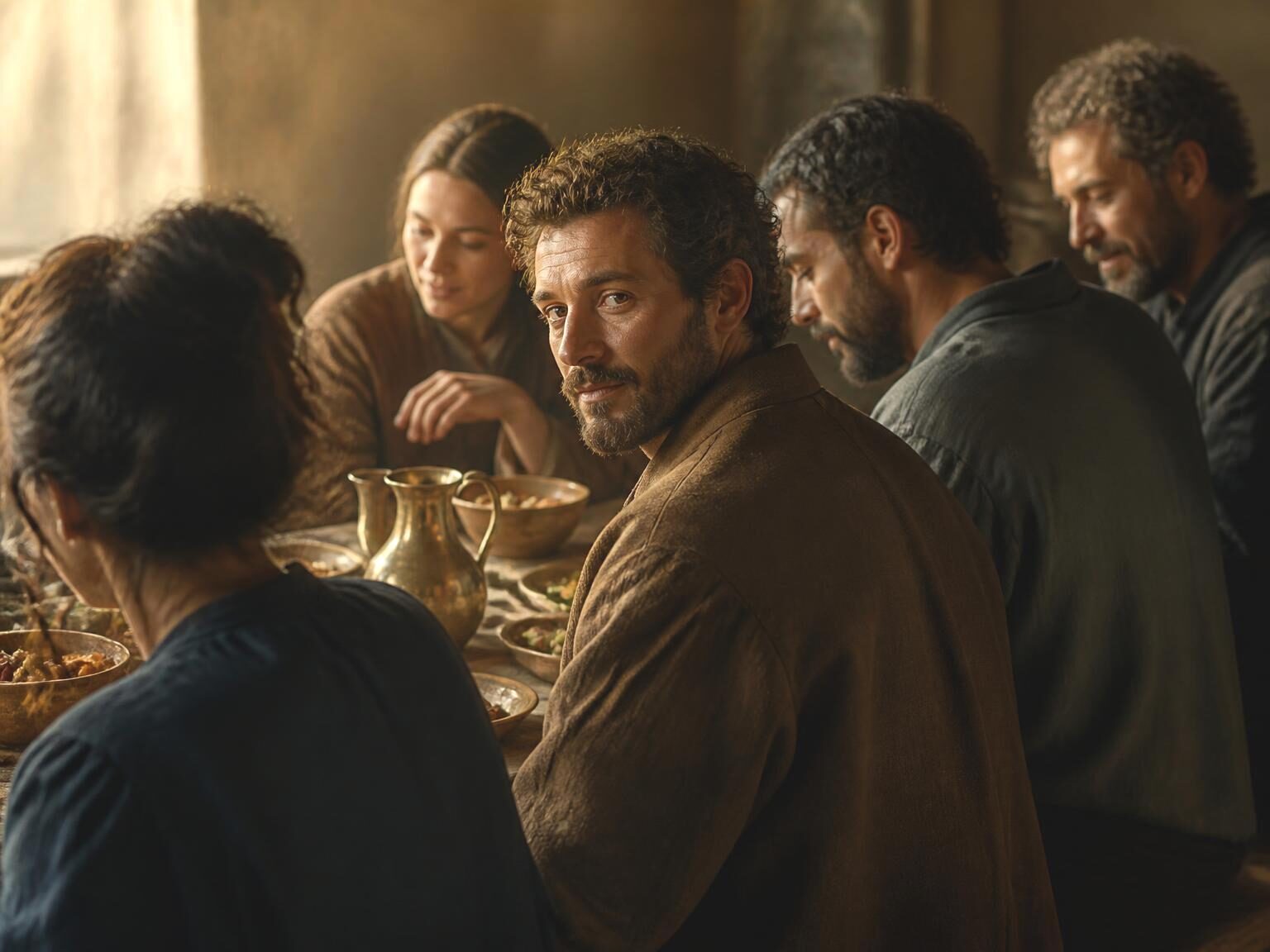
The Everyman
The Everyman finds strength in belonging rather than standing apart from it.
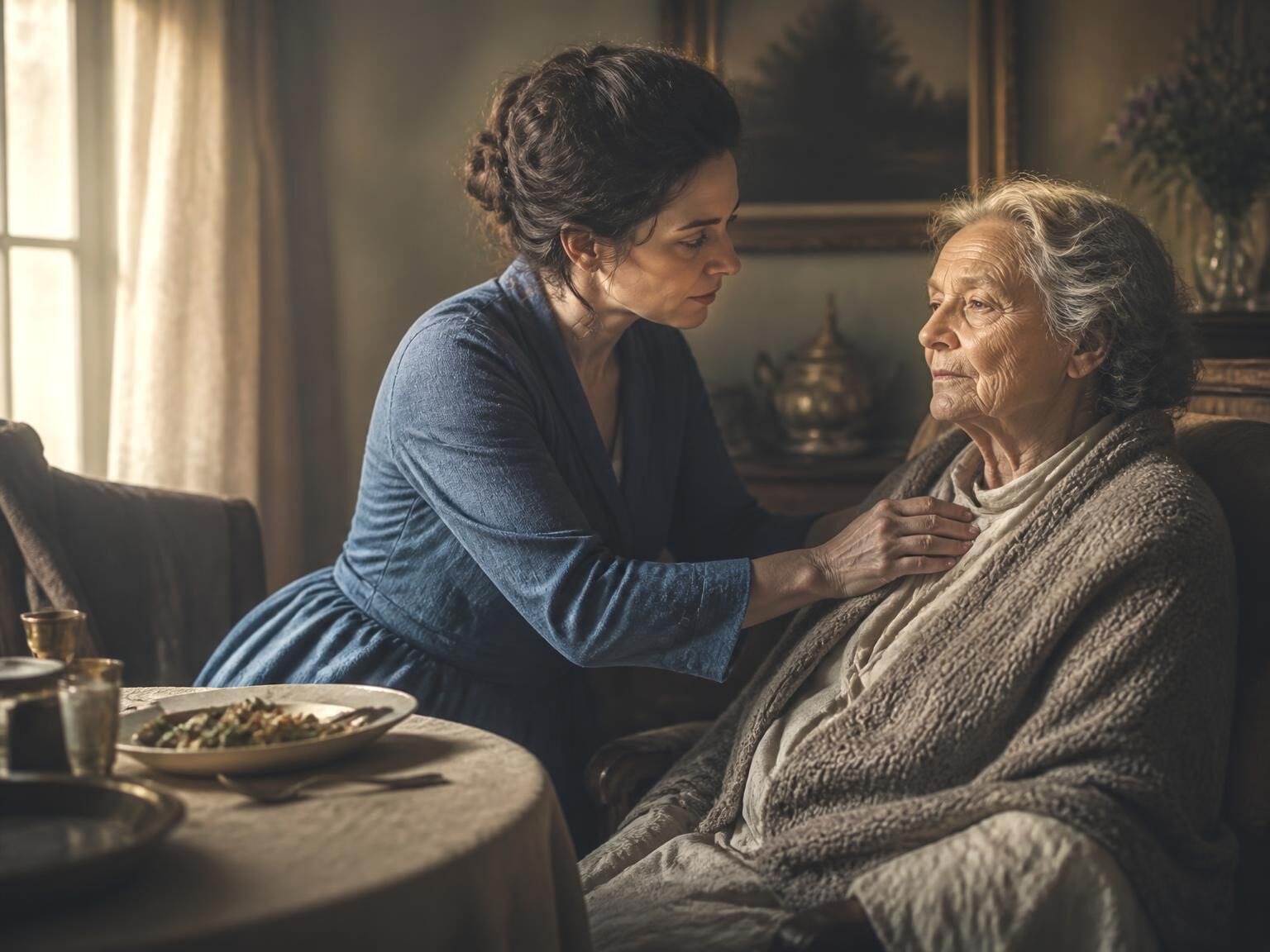
The Caregiver
The Caregiver earns love by being needed, which makes their own needs the first thing to disappear.

The Seeker
The Seeker keeps moving because arrival has always felt like a smaller idea than the road itself.
Dreams this archetype tends to send
Entries from the Dream Dictionary that keep company with this pattern.




Related reading
- The Innocent Archetype: The Quiet Power of Keeping FaithThe Innocent is not naivety. It is the part of you that refuses to let the world become only ugly. It is older and stronger than it looks.9 min
- The Child Archetype: The Self That Never Quite Grew UpThe Child archetype is not immaturity. It is the part of you that kept the original wonder, the original wound, and the original ability to begin again.9 min
- The Fool Archetype: The Wisdom of Not KnowingThe Fool is not stupidity. He is the part of you willing to begin without certainty. In a world of experts, that may be the most adult thing left.8 min