The Trickster Archetype
The Trickster archetype delivers a needed truth wrapped in disruption, disguise, or a joke that lands too well.
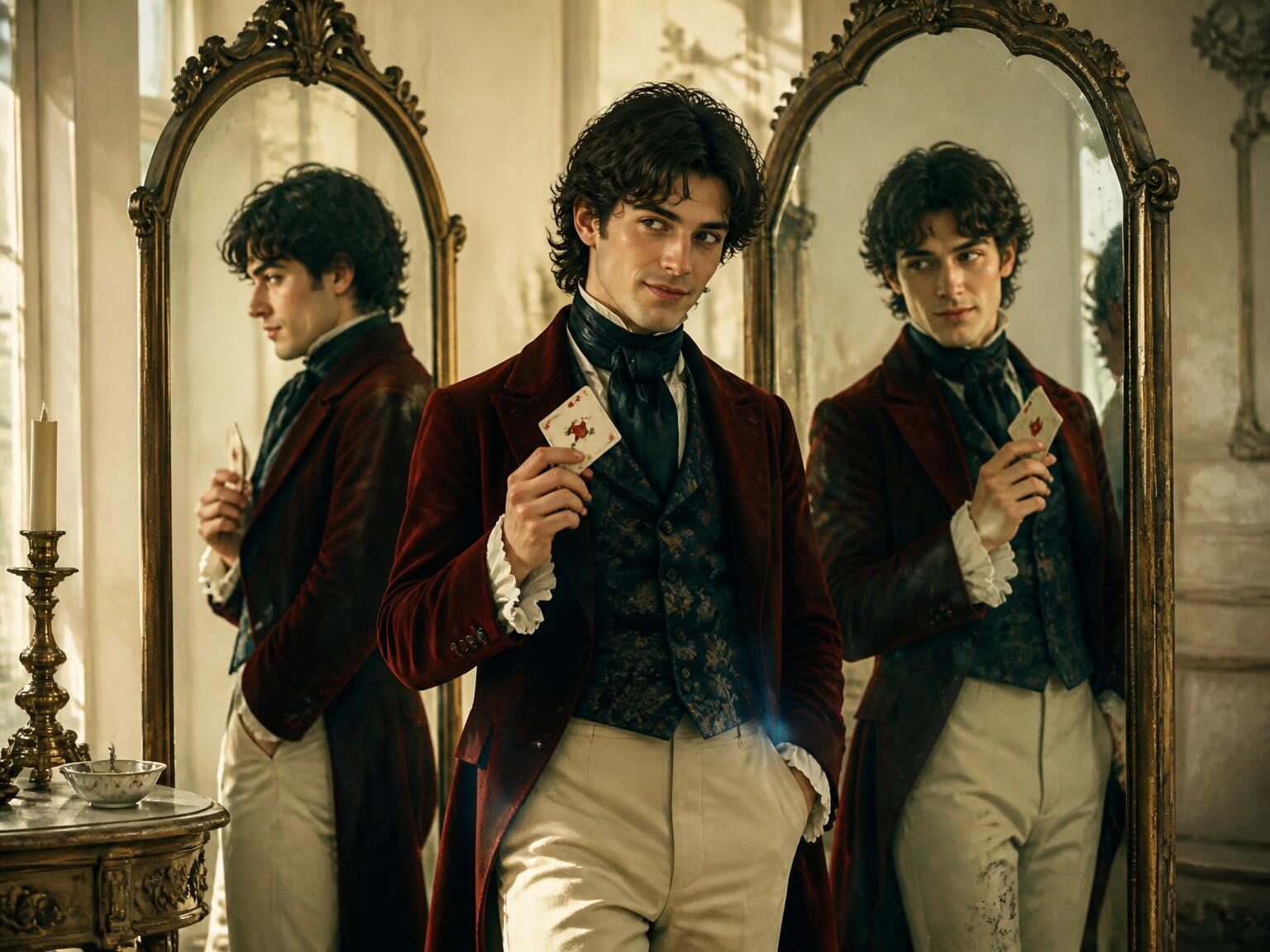
what is the trickster archetype?
The Trickster archetype is the pattern of disruption that arrives disguised as something smaller than it is: a joke, a coincidence, a rule broken at exactly the moment the rule needed breaking. Twelve-archetype systems carry a lighter relative of this figure under the name Jester. It exists to interrupt a system that has become too rigid to correct itself from the inside, and it usually does this sideways, through humor, mischief, or unexpected reversal, rather than through direct confrontation. The Trickster shows up as the colleague who says the unsayable thing out loud, the friend whose joke exposes what everyone else was too polite to name, and the strange coincidence that reroutes a decision no one was willing to reconsider on their own.
The pattern at the centre
The pattern at the centre of the Trickster is indirection with a purpose. Direct confrontation with an entrenched belief usually triggers defence rather than reconsideration, so this archetype finds another route in: a story, a prank, a piece of exaggerated flattery that reveals its own absurdity, or a rule bent in a way that exposes how arbitrary the rule already was. The disguise isn't decoration. It's the mechanism that gets the truth past defenses a straight statement would have triggered.
Because the delivery is indirect, the message tends to land only after some delay, once the person on the receiving end stops laughing or stops being annoyed long enough to notice what actually got said. That delay is part of the design, whether or not the Trickster consciously planned it. A joke that's still funny a week later, after the sting wears off, has smuggled something true past the part of the mind that would have rejected it on arrival.
The clearest sign this pattern is active is disproportion: a small, seemingly playful act producing a large, serious realignment in how people see a situation. The Trickster rarely announces the size of the disruption in advance, because announcing it would give the target system time to brace and deflect. The disproportion between the size of the act and the size of its consequence is, in fact, the whole method.
What drives the Trickster
The Trickster is driven by an instinct that systems calcify unless something forces them to reconsider their own rules from an unexpected angle. Left alone, hierarchies, habits, and shared assumptions tend to protect themselves rather than correct themselves, and this archetype experiences that self-protection as a problem worth provoking, even when provoking it comes at some personal cost.
There is also a drive toward a kind of honesty that formal channels don't allow. Plenty of true things can't be said directly in a meeting, a family gathering, or a polite conversation without triggering a defensive response that shuts the conversation down before the truth has a chance to register. The Trickster routes around that defensiveness by making the truth entertaining, absurd, or deniable enough to slip past it.
Underneath both is a drive toward flexibility itself, treated almost as a value in its own right. Rules, roles, and identities that can't survive being questioned or briefly inverted are, in this archetype's view, too brittle to be trusted. Testing them through disruption isn't cruelty; it's a way of finding out which structures are actually load-bearing and which ones were only ever propped up by everyone agreeing not to look too closely.
Where the Trickster becomes valuable
The Trickster becomes valuable exactly where a group has stopped questioning its own assumptions and needs someone willing to break protocol to surface what's been accepted without examination. A meeting that's been circling the same unspoken problem for months can be unstuck by one person willing to say the thing everyone else has agreed, tacitly, not to say.
This archetype is also valuable as a release valve. Tension that has nowhere sanctioned to go tends to build until it erupts badly; the Trickster's humor and mischief give that tension a legitimate outlet, letting a group laugh at its own absurdity before that absurdity turns into resentment. A well-placed joke at the right moment has defused arguments that a serious intervention would have escalated instead.
The clearest value is the Trickster's willingness to be the one who looks foolish so that something true can get said. Direct honesty carries real social cost, and this archetype absorbs that cost by wrapping the honesty in something that can be laughed off if it lands badly. That willingness to risk looking silly on behalf of a larger truth is a form of service that gets underappreciated because it's disguised as mere entertainment.
The tension inside the archetype
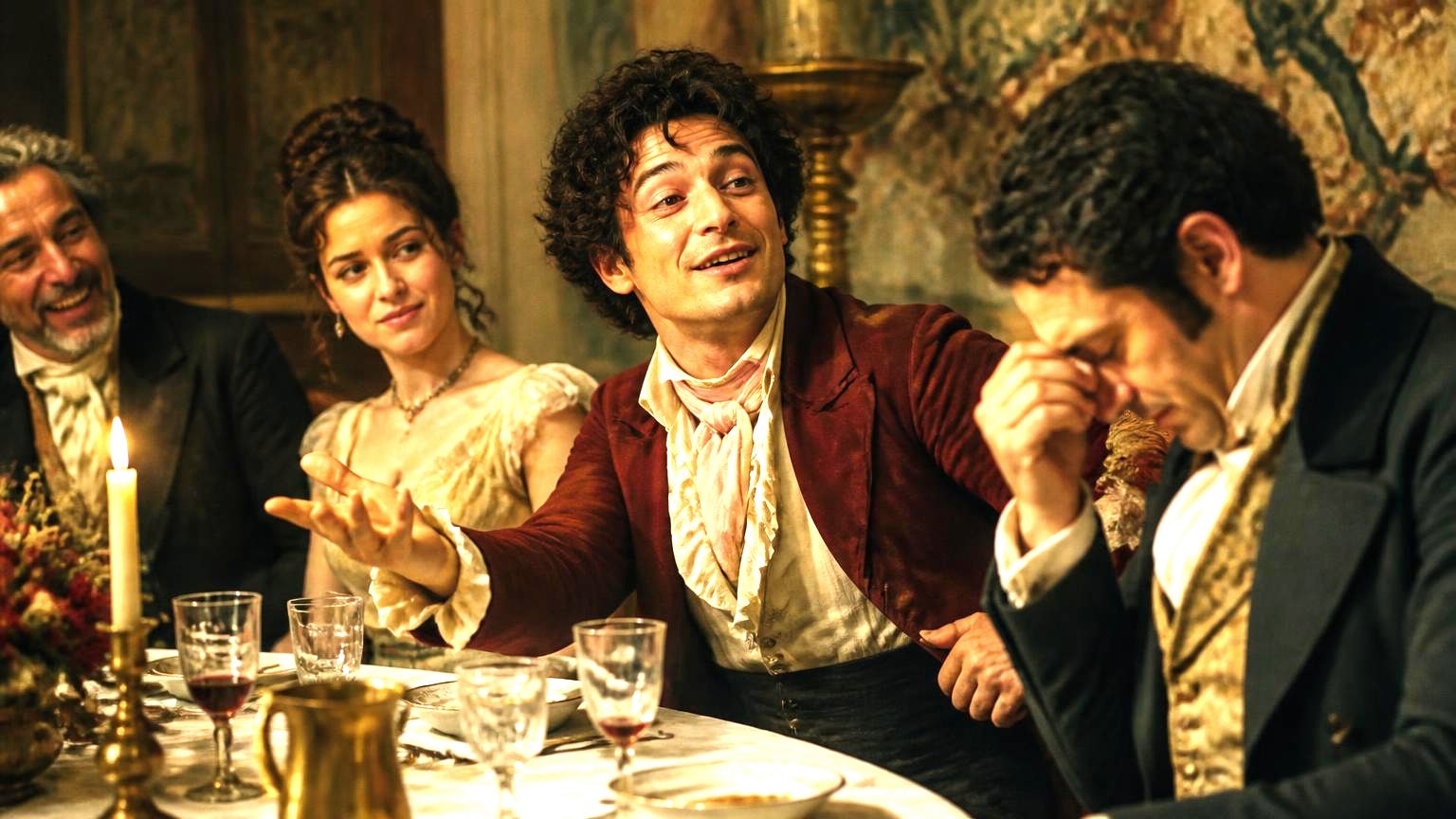
The tension inside the Trickster archetype is the line between productive disruption and disruption for its own sake. A joke that reveals a genuine blind spot and a joke that only causes chaos can look identical in the moment they're told, and the difference only becomes clear afterward, in whether anything actually got clarified or whether people are left more confused and slightly hurt.
There's a related tension between disguise as a tool and disguise as a habit. Indirection is useful precisely because it's occasional; used constantly, it starts to look like an inability, or an unwillingness, to ever say what's true. At that point people stop trusting the Trickster's jokes as carriers of insight and start reading them as evasion, which undoes the very credibility the method depends on.
The deepest tension is that the Trickster, in disrupting other people's fixed assumptions, has to keep disrupting its own as well, or the pattern calcifies into exactly the rigidity it was built to oppose. A trickster who always plays the same trick has stopped being unpredictable and started being predictable in a new, equally limiting way.
Shadow expression
The shadow of the Trickster is disruption that has stopped serving any purpose beyond the disruptor's own amusement or sense of power. When the jokes and reversals no longer carry an insight worth the disruption they cause, they curdle into something closer to cruelty, a habit of destabilising other people because it's possible and because the reaction is entertaining to watch.
A second shadow form is using disguise to avoid accountability entirely. If everything can be dismissed later as a joke, nothing the Trickster says ever has to be owned, which lets the pattern say genuinely harmful things under cover of humor and retreat behind deniability the moment there's pushback. That retreat is the tell: a Trickster operating in good faith stands behind the point once the joke has done its work, rather than hiding behind the joke indefinitely.
The most corrosive version of this shadow is chronic unreliability dressed up as spontaneity. People stop being able to trust what this person says, plans, or promises, because the pattern has trained them to expect a reversal at any moment. At that point the archetype has traded genuine insight for a reputation, and the reputation makes the insight, when it does show up, much harder for anyone to take seriously.
The Trickster in relationships
In relationships, the Trickster tends to use humor to say things that would otherwise cause a fight, teasing a partner about a habit rather than confronting it directly, or turning a resentment into a running joke that both people understand carries real weight underneath it. Done well, this defuses tension that direct conversation might have escalated. Done badly, it lets real grievances go permanently unaddressed because they've been laughed off instead of resolved.
This archetype also tends to test partners, without fully realising it, through small provocations that reveal whether the relationship can survive being unsettled. A partner who responds to the test with rigidity or panic gets read, unfairly, as less trustworthy than one who can be surprised without falling apart. Learning to distinguish playful testing from actual sabotage is a skill this pattern's partners have to develop.
When this archetype matures in relationship, it becomes a source of real vitality: someone who keeps a long partnership from calcifying into routine, who can still surprise a partner after years together, and who uses humor to keep hard truths sayable instead of avoided. That combination, playfulness in service of honesty rather than instead of it, is what separates a Trickster who deepens intimacy from one who merely destabilises it.
The Trickster in work, ambition and decisions
At work, the Trickster is the person who breaks a process everyone else was following out of habit, and is usually proven right in hindsight, once the disruption reveals how little the process was actually accomplishing. This makes the archetype invaluable in organisations that have grown complacent and difficult to manage in ones that need consistency more than they need reinvention.
Ambition, for this pattern, moves through unconventional routes: the sideways pitch that gets attention a straightforward proposal wouldn't have, the reputation for cleverness that opens doors formal credentials don't. This works until an organisation stops rewarding cleverness and starts requiring reliability, at which point the Trickster's usual moves stop landing and the pattern has to develop a more direct register to match.
The mature version of this archetype at work knows when to disrupt and when to execute, treating disruption as a tool reserved for moments that actually need it rather than a default setting applied to everything. That discernment, more than the wit itself, is what turns a Trickster from an entertaining colleague into an indispensable one.
What MythRadar would notice
What MythRadar would notice about this archetype is a recurring shape in how important information arrives for this person: rarely through the expected channel, almost always through something that initially looked like a coincidence, a stranger's offhand comment, or a joke someone else made in passing. The pattern isn't that unusual things happen to them more than to anyone else; it's that they've learned to take the unusual delivery seriously rather than dismissing it.
It would also notice this archetype's dreams leaning toward strangers, mirrors, or getting lost, especially before a decision the dreamer hasn't consciously made yet. Something in the dreaming material anticipates the disguise the coming disruption will wear, and reading those dreams against the decisions that follow them tends to reveal a consistency the dreamer doesn't notice while living through it in real time.
The signal worth tracking is whether the disruptions in a person's life keep clarifying something over time or keep repeating without any resolution attached. A Trickster pattern that's working shows a trail of situations that got unstuck because of the disruption. One that's stalled shows the same kind of chaos recurring in new settings, with nothing actually resolved by any of it, which suggests the pattern has stopped serving insight and started running on habit.
next step
Is the Trickster the one running your life right now?
The Archetype Finder takes a few minutes and reads for the pattern rather than the mood - the dominant archetype, the one emerging, and the one you keep in shadow.
Personal Mythology
Where does this archetype show up in your own life?
Save it, add a dream or a recurring thought, and MythRadar can help you read how they connect.
That reading is your Personal Mythology. It begins with what you choose to add.
Archetypes that sit close to this one
Neighbours worth reading next - they share an instinct and spend it differently.



Dreams this archetype tends to send
Entries from the Dream Dictionary that keep company with this pattern.


Related reading
- The Trickster Archetype: Why Life Sometimes Arrives in DisguiseThe Trickster is the figure who refuses the official version. He arrives uninvited, undoes the plan, and turns out to have been carrying the gift the plan would never have delivered.7 min
- The Meaning of CoincidenceThe afternoon was cooling toward that specific shade of Prussian blue that precedes a winter dusk, and I was sitting at a desk cluttered with the debris of a frustrated project.8 min
- Principle 010 You Have Been Reading Your Life BackwardsLife appears to be a sequence of events. The psyche suggests something else entirely. Dreams, memories, relationships and recurring Patterns are not separate experiences waiting to be interpreted; they are evidence of a psychological architecture that has been organising your life from the very beginning.5 min