Body & Identity
Mirror Dreams
To dream of mirrors may be to stand at a threshold, not just of perception, but of a quiet, often unsettling, encounter with reflections of something deeper within ourselves.
- self-perception
- truth
- reflection
- persona
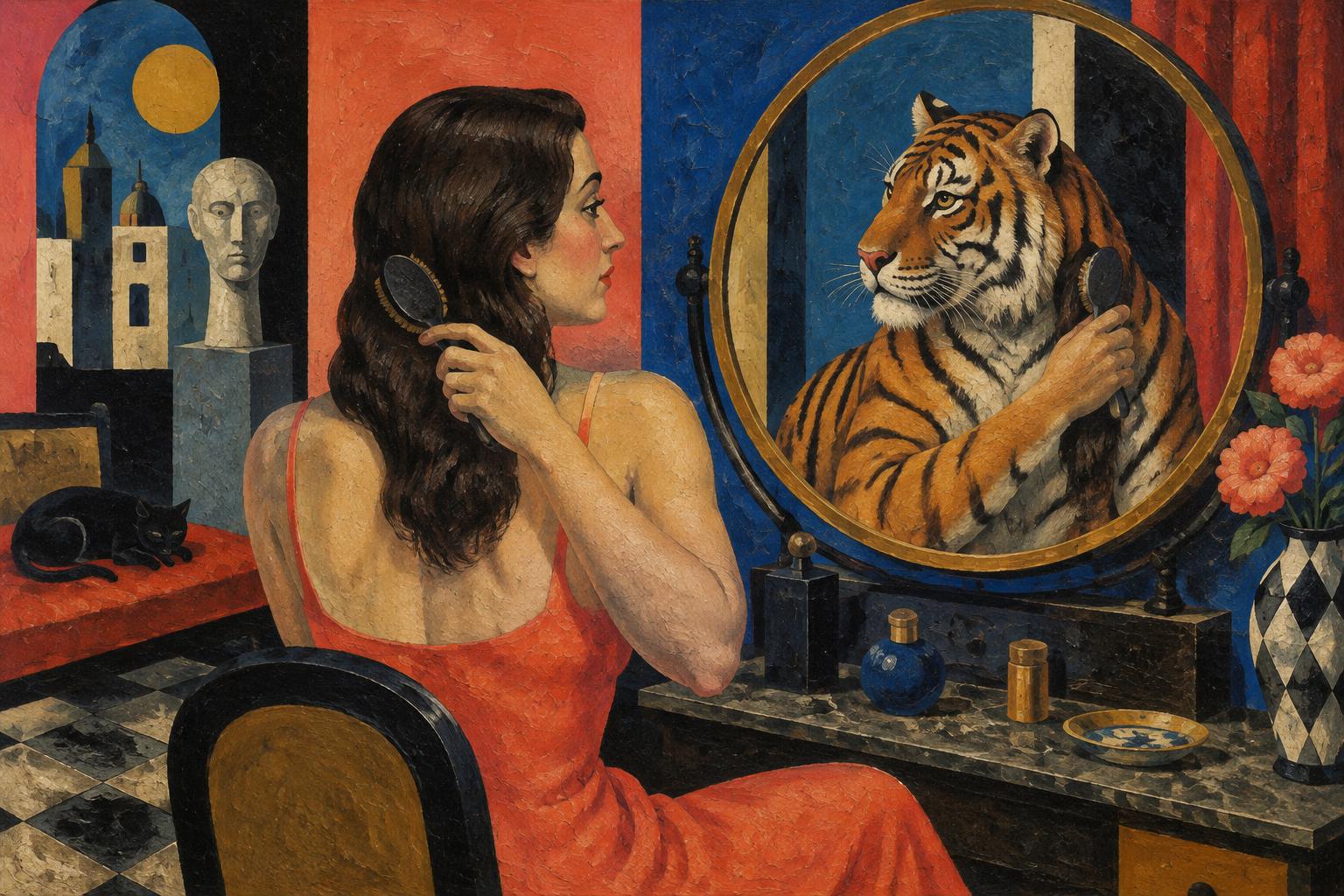
A mirror in a dream almost always concerns self-image: the gap between how you see yourself and how you are actually being seen or actually are. The reflection is rarely accurate to your waking appearance because it is not describing your face. It is describing your self-concept.
This is why mirror dreams so often unsettle: a stranger's face looking back, a reflection that will not move correctly, an image that is older or younger than expected. Each variation is telling you where your self-image and reality have drifted apart.
Common interpretations
Mirror dreams measure the distance between self-image and reality. Read the specific distortion for what it is pointing at.
Seeing a stranger's face in the mirror
This is one of the most disorienting mirror dreams, and it usually reflects a period of genuine identity change - you no longer fully recognise the person you have become, for better or worse.
A cracked or broken mirror
A fractured reflection typically points to a self-image under strain, often following criticism, a public failure, or a private realisation that clashes with how you have presented yourself.
No reflection at all
An empty mirror is one of the more striking versions and usually points to feeling unseen or invisible in a relationship or role, as if your presence is not registering with the people around you.
An aged or younger reflection
Seeing yourself older or younger than you are often reflects anxiety about time, mortality, or an unresolved connection to a past or future version of yourself. It pairs well with dreams about change.
Multiple mirrors or reflections
Repeated or multiplying reflections often mark a feeling of being pulled between different roles or versions of yourself - the person you are at work, at home, and in private, all visible at once.
Talking to your reflection
A reflection that speaks or acts independently usually represents a part of yourself you are in dialogue with, often the more honest or critical voice that waking life keeps quiet.
Applying makeup or grooming in front of a mirror
This version often concerns preparation for how you will be perceived, and can surface before a significant event where you feel judged, connecting to the exposure theme in naked dreams.
Personal mythology
While these broader reflections offer a starting point, the true resonance of your dream mirror will likely be found in your own personal mythology. Consider, for instance, your waking-life relationship with mirrors. Do you typically engage with them with a sense of critical appraisal, or more as a tool for presentation? This daily interaction, often unconscious, may tint the meaning of their dream-presence.
For one dreamer, a mirror might represent a sanctuary, a quiet space for self-reflection and inner dialogue; for another, it could be a place of judgment, stirring feelings of inadequacy or pressure. If you've been grappling with questions of identity, of who you are versus who you feel you ought to be, the dream mirror may arrive as a direct, albeit symbolic, contemplation of those very questions.
The context within the dream is equally vital. Was the mirror ancient and ornate, perhaps hinting at ancestral echoes or deeply rooted patterns? Or was it a modern, sleek surface, speaking more to contemporary concerns and immediate challenges? The very quality of the reflection (was it accurate, distorted, or did it show something entirely unexpected?) may offer a profound clue to what your unconscious is currently processing.
Ultimately, the same symbol, like a mirror, holds countless potential meanings. It is less about a universal definition and more about how its specific appearance and qualities in your unique dream scenario connect to the current narrative of your life, your hidden hopes, and your quiet anxieties.
Questions worth asking
- What emotion did you feel when you first saw the mirror in your dream?
- What, if anything, did you see reflected in the mirror?
- Did the reflection feel familiar, or was it surprising in some way?
- How did the mirror itself appear: was it clear, distorted, shattered, or perhaps antique?
- What aspect of your waking life currently involves looking at yourself or your circumstances?
- Could this dream be inviting you to look at a particular situation from a new perspective?
- What might you be avoiding acknowledging about yourself or your reality right now?
What MythRadar would notice
Dreams, particularly those featuring such potent archetypal images as the mirror, might be seen as invitations from the deeper self. They are not random occurrences; rather, they seem to arrive precisely when a facet of our personal mythology is seeking attention, perhaps longing for integration or understanding. A dream of a mirror isn’t merely about what it reflects, but often about the very act of reflection itself: a call to inner contemplation.
In the quiet language of the dream, a mirror may point to your current relationship with truth, with self-perception, or with the carefully constructed persona you present to the world. It’s a moment to ask: what aspect of my inner landscape is currently reflecting outwards, or seeking recognition from within? It might be a gentle nudge to examine where authenticity and appearance diverge, or where they beautifully align.
These dream images often return, sometimes subtly altered, sometimes with greater urgency, until we have absorbed something of their message. The dream mirror, in its stillness, may be offering you an opportunity to truly see, perhaps for the first time, a part of your story that is ready to unfold.
Common questions
- What does it mean to dream about a mirror?
- Mirror dreams concern self-image: the gap between how you see yourself and how you are actually seen or actually are. The distortion in the reflection points to where that gap lies.
- What does it mean to see a stranger's face in a mirror in a dream?
- This usually reflects genuine identity change - a period where you no longer fully recognise who you have become. It is unsettling but not typically ominous.
- What does a broken mirror in a dream mean?
- A cracked or shattered reflection usually points to a self-image under strain, often after criticism or a private realisation that conflicts with how you present yourself.
- What does it mean to see no reflection in a dream mirror?
- An empty mirror commonly reflects feeling unseen or invisible in a relationship or role, as though your presence is not registering with those around you.
- Why do I dream about looking older or younger in a mirror?
- This usually reflects anxiety about time or an unresolved connection to a past or future version of yourself, rather than any literal concern about ageing.
Continue the exploration
Take a quiet moment to sit with your dream of the mirror. Perhaps write it down, noting the details, the emotions, and any associations that come to mind. These subtle reflections from your inner world can offer profound insights when held with careful attention.
Could this dream be a thread in the rich tapestry of your personal mythology? To observe how this image resonates with your unique life journey might be to discover a deeper narrative unfolding within you. Keep an eye on your dreams; they are often gentle, persistent guides.
Related symbols
From the Insights library
Related archetypal patterns
These patterns can surround this kind of dream, depending on what is happening in your life at the time. A symbol doesn't belong to a single archetype - read them as context, not as a verdict.
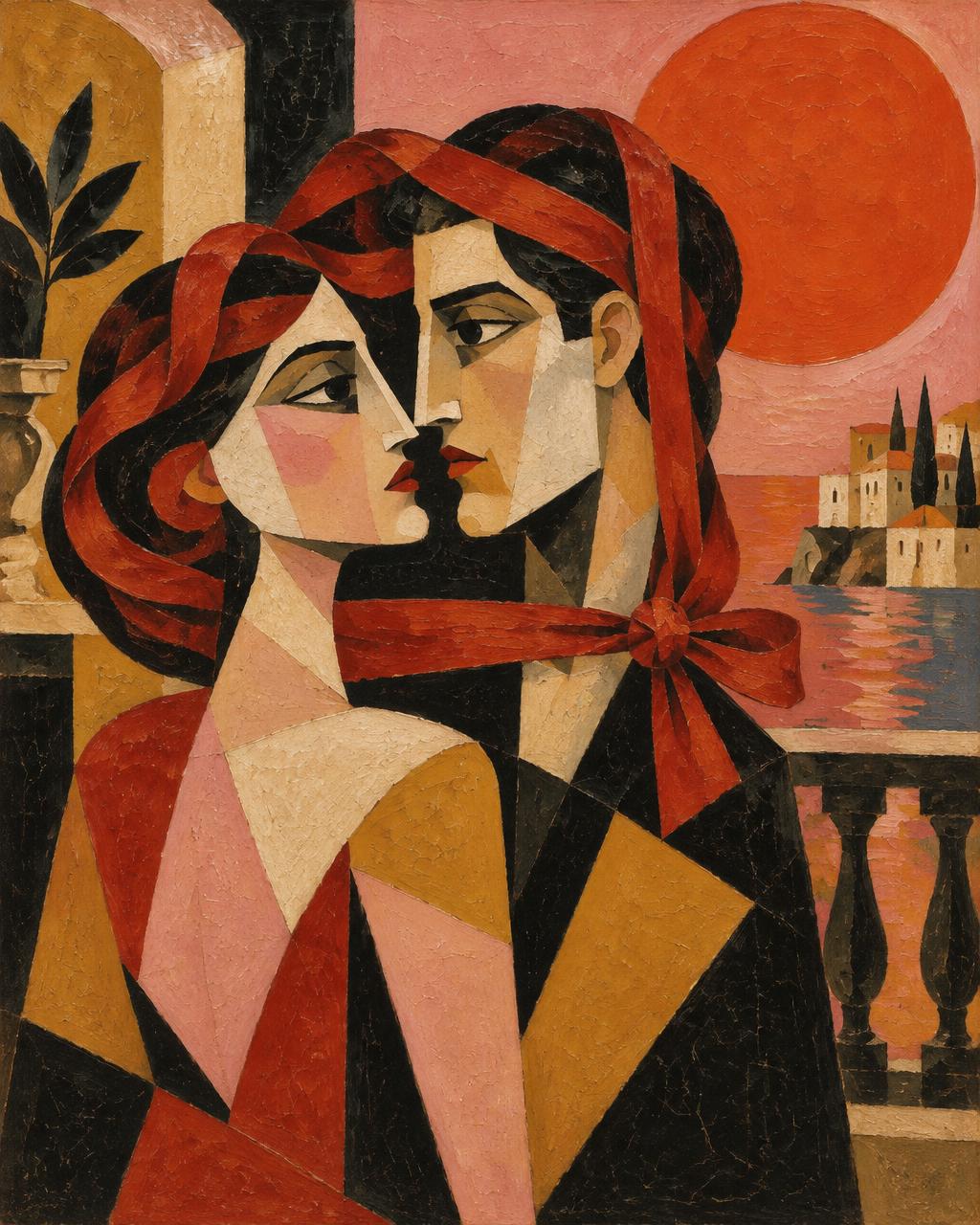
The Lover Archetype
The Lover archetype finds meaning through connection, and struggles when love feels absent.
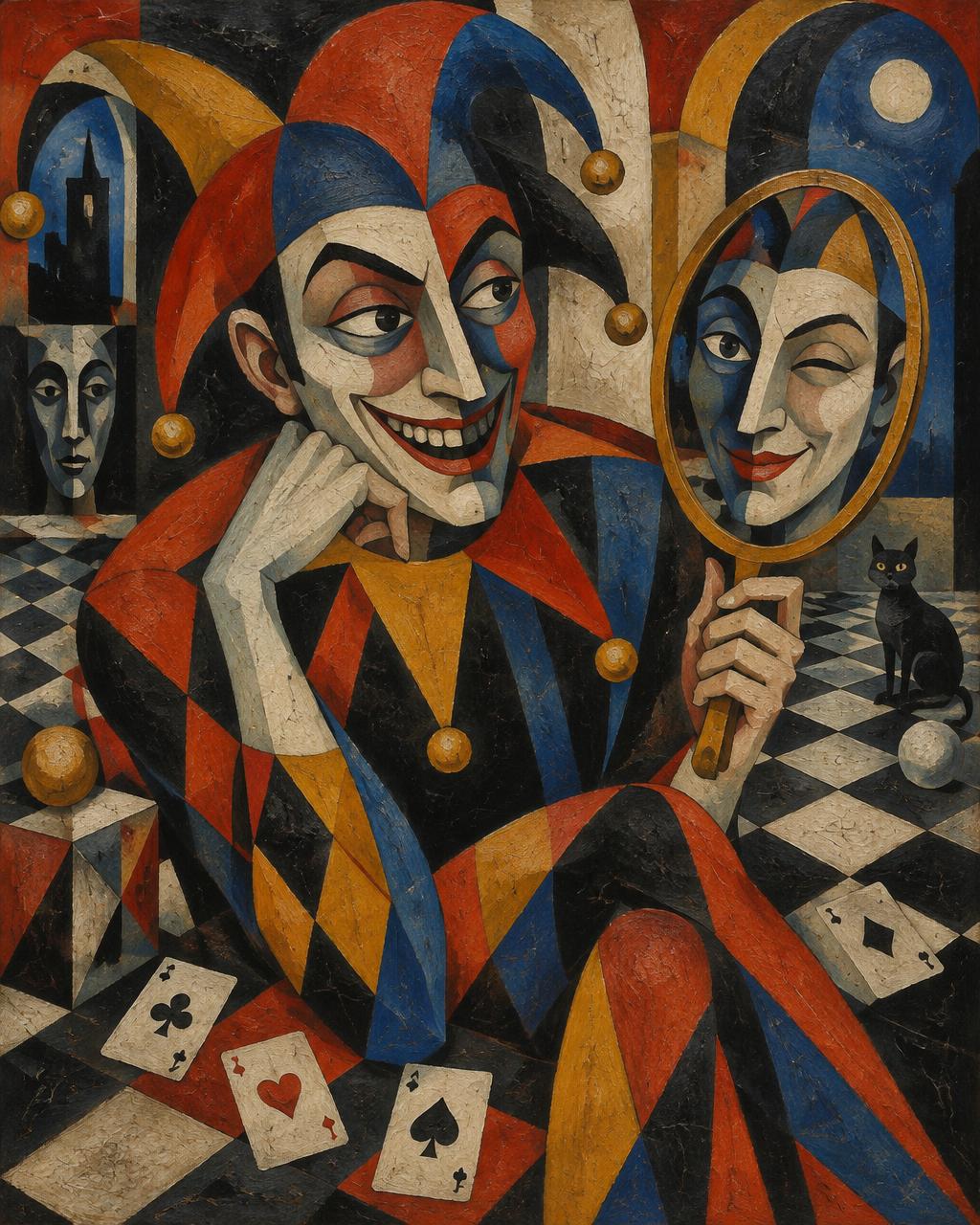
The Trickster Archetype
The Trickster archetype delivers a needed truth wrapped in disruption, disguise, or a joke that lands too well.
Not sure which of these sounds like you? Take the Archetype Finder.
the next question
One entry is a symbol. Several, read together, are a pattern - and a pattern is the beginning of a personal mythology.