CornerstoneCornerstone
Dreams About Change
Dreams of change often arrive not as announcements of what will be, but as quiet companions for who we are becoming, offering a landscape to rehearse a future self.
- transition
- becoming
- threshold
- unfamiliar
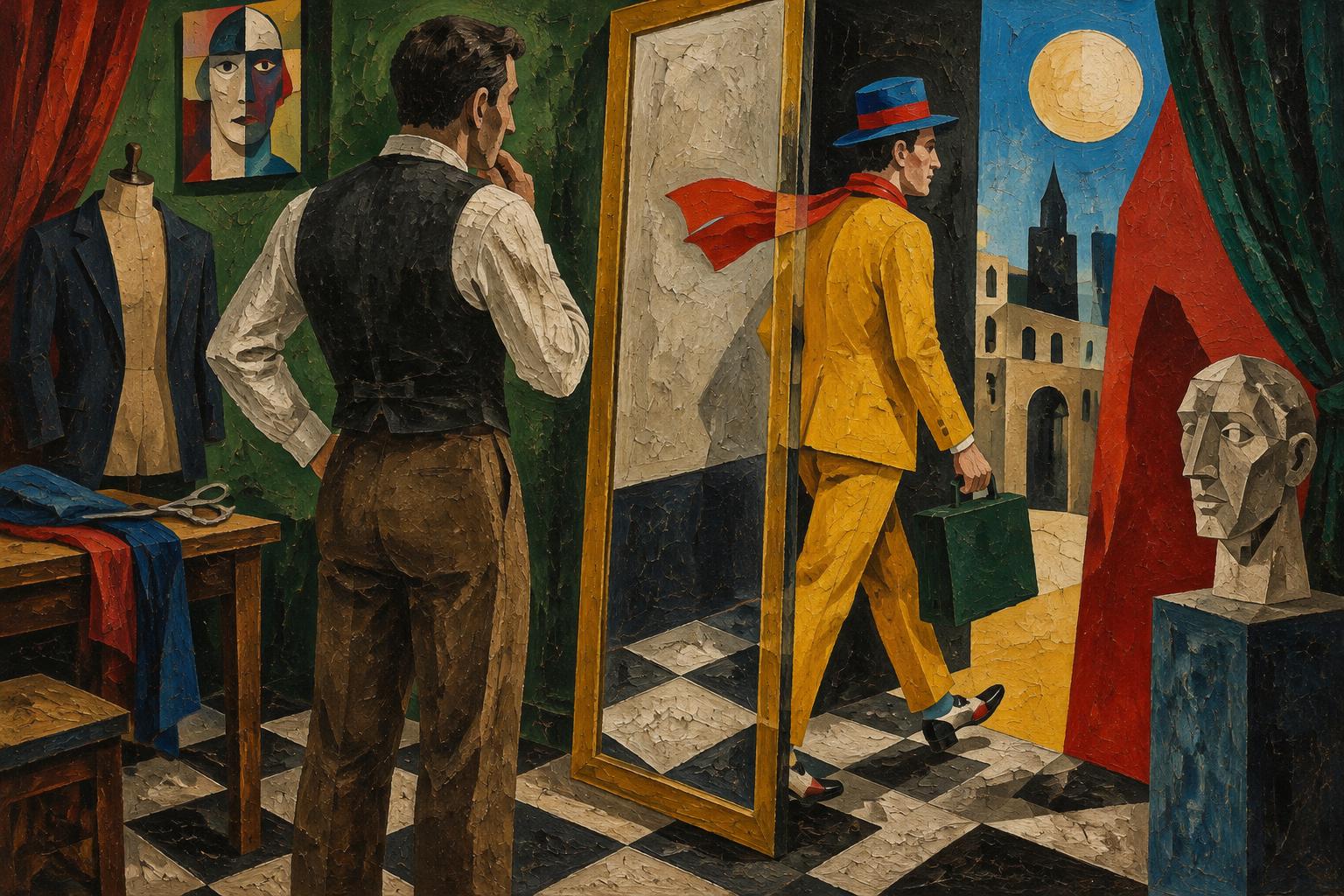
A dream about change usually means part of you is already adjusting to a shift before your waking mind has fully caught up. It is not a premonition of what is coming, and it is not simply a replay of what has already happened. It is closer to a rehearsal space, where the psyche tries on an unfamiliar way of being before you are asked to live it in earnest.
These dreams - of moving house, changing clothes, shifting landscapes, or transforming bodies - arrive like a quiet memo from a deeper part of yourself. They rarely carry a tidy answer. More often they carry the pressure of a question that has been building beneath your waking attention.
The more useful question is usually not what is about to change externally, but what, inside you, is already changing. The dream may simply be the first place that shift has found a shape.
This entry follows dreams about life transition - moving, career shifts, the end of one stage and the start of another. If your dream involved changing shape or becoming another creature, read transformation dreams.
Common interpretations
Most change dreams answer one question: what is shifting in you before it shows up anywhere else. Look at the shape the change takes in the dream to see which part of your life it belongs to.
Packing or moving house
Packing boxes or moving between homes can process a literal, upcoming move, but more often it is the work of sorting what you want to carry forward from a phase of life and what you are ready to leave behind. Read alongside house dreams, where the building itself represents the self.
Changing clothes or appearance
Clothes in a dream function as a persona, the face you show the world. Changing them, especially into something unfamiliar, often marks a shift in role or identity that your waking self has not yet named.
Crossing a bridge, doorway or river
Threshold imagery is the most literal version of a change dream. Jung read bridges and doorways as the crossing point between one state of being and the next. See bridge dreams and door dreams for more on this.
A gentle, organic transformation
A caterpillar becoming a butterfly, a seed growing, a body slowly reshaping itself, all suggest a change that feels natural and largely welcome, even if it is unsettling in the moment. See transformation dreams for the fuller pattern.
A sudden or violent change
An earthquake, flood or storm arriving without warning tends to reflect a feeling of being overwhelmed by a change you did not choose. Compare with earthquake dreams and storm dreams.
Teeth falling out or losing something of yourself
Classic loss-of-control imagery like this often marks a change felt as a loss of power or status, even when the change itself is ultimately positive. See teeth falling out dreams.
An unfamiliar landscape
Finding yourself somewhere you do not recognise, with rules you do not know, tends to appear when you are stepping into genuinely new territory in waking life - a new job, city or relationship - faster than your sense of self has adjusted.
Personal mythology
The symbol of change is never universal; its resonance is tuned entirely to the unique history and emotional landscape of the dreamer. A dream of moving to a new, unknown house could feel liberating for one person and terrifying for another. For someone who grew up in a stifling environment, the empty rooms of a new home might symbolize freedom, potential, and a blank canvas upon which to create a new life. The unfamiliarity is a promise. For another person, perhaps someone who has experienced displacement or the loss of a cherished childhood home, the very same dream might evoke deep-seated anxieties of instability, loneliness, and a loss of identity. The unfamiliarity is a threat.
Consider a dream where you find yourself speaking a language you don't know. For a writer experiencing a block, this might feel like a frustrating depiction of their inability to communicate. For someone about to travel to a foreign country, it might just be the mind's rehearsal of upcoming anxieties. But for someone who has long felt unheard in their relationships, such a dream could be a powerful metaphor for the feeling of being misunderstood, or perhaps a deep yearning to find a new way to express their true self - a new emotional language.
The dream of change almost always holds a mirror up to our waking life, asking: where does this feeling of transition live inside of you right now? Are you contemplating a career shift? Are you evolving in your spiritual beliefs? Is a relationship transforming from one state to another? The dream may not be about a literal change, but about a shift in your internal posture toward the world. A dream of shedding your skin might not only point to personal growth, but to what, specifically, you feel you are outgrowing. Is it a specific friendship? An old habit? A limiting belief? The power of the dream lies in this specificity, in the way it connects a grand, abstract theme like 'change' to the intimate, particular details of your own story.
Questions worth asking
- What was the emotional weather of the dream? Was the change met with fear, relief, excitement, or resignation?
- Were you an active participant in the change, or were you a passive observer to whom it was happening?
- What was being left behind in the dream? What, if anything, was being carried forward?
- Does the sense of unfamiliarity in the dream feel like a threat, or an invitation?
- Where in your waking life are you standing on a threshold between a past and a future self?
- If this dream is a metaphor for an inner process, what part of you is in the midst of transformation?
- What new capacity or understanding might this change be asking of you?
What MythRadar would notice
Dreams of change seem to arrive at pivotal moments, when the narrative we’ve been living by no longer fits the person we are becoming. They are not simply about external events; they are about the tectonic shifts happening within our own personal mythology. You might get a new job, but the deeper story is about your relationship with ambition, security, and purpose. The dream is often more interested in that hidden story.
These dreams often place us on a threshold - a space between two worlds, two identities, two chapters. The feeling of being 'in-between' can be unsettling in waking life, but in the dream world, it is a sacred space of potential. Here, we can walk through the empty rooms of a future life, test the weight of a new identity, and feel the sorrow of what must be left behind, all without consequence. The dream offers a simulation, allowing our emotional body to catch up with a change our conscious mind is either planning or resisting.
Paying attention to these dreams is like learning to read the quiet footnotes of your own life story. They point to the recurring themes, the unresolved tensions, and the quiet transformations that define your journey. The dream of change is an invitation to become a more conscious author of the next chapter, aware of the deeper currents that are moving you from one way of being to the next.
Common questions
- What does it mean to keep dreaming about change?
- It usually means an internal shift is already underway before your waking mind has consciously registered it. The dream is not predicting change so much as reporting that adjustment has already begun.
- Do change dreams predict what will happen in real life?
- No. They describe an internal process, not a future event. A dream of moving house does not mean you will move; it more often means some part of your identity is already in transit.
- Why do I dream about moving house when nothing is changing?
- Houses represent the self in dreams, so a moving dream can reflect an internal reorganisation - a new role, belief or stage of life - even when your actual address is not changing.
- Is a sudden, violent change dream a bad sign?
- Not inherently. It usually reflects the feeling of a change arriving faster than you can process it, which is an accurate description of pressure rather than a warning of harm.
- Why do change dreams feel more emotional than other dreams?
- Because they usually surface right at the point of transition, when old and new versions of yourself are both active at once, which tends to produce more charged imagery than routine daily processing.
Continue the exploration
Perhaps the most useful response to a dream of change is not to rush for an interpretation, but to sit with its imagery and its feeling. Hold it gently. Notice its details without judgment. The dream is not an answer, but the beginning of a conversation with a part of yourself that is navigating a deep transition.
You might consider writing it down, not to solve it like a puzzle, but to honor it as a meaningful piece of your own story. Watch to see if it returns, or if the landscape shifts in a future dream. This quiet observation is the first step toward understanding your own Personal Mythology and the unique ways your own psyche speaks of growth, loss, and becoming.
Related symbols
From the Insights library
Related archetypal patterns
These patterns can surround this kind of dream, depending on what is happening in your life at the time. A symbol doesn't belong to a single archetype - read them as context, not as a verdict.
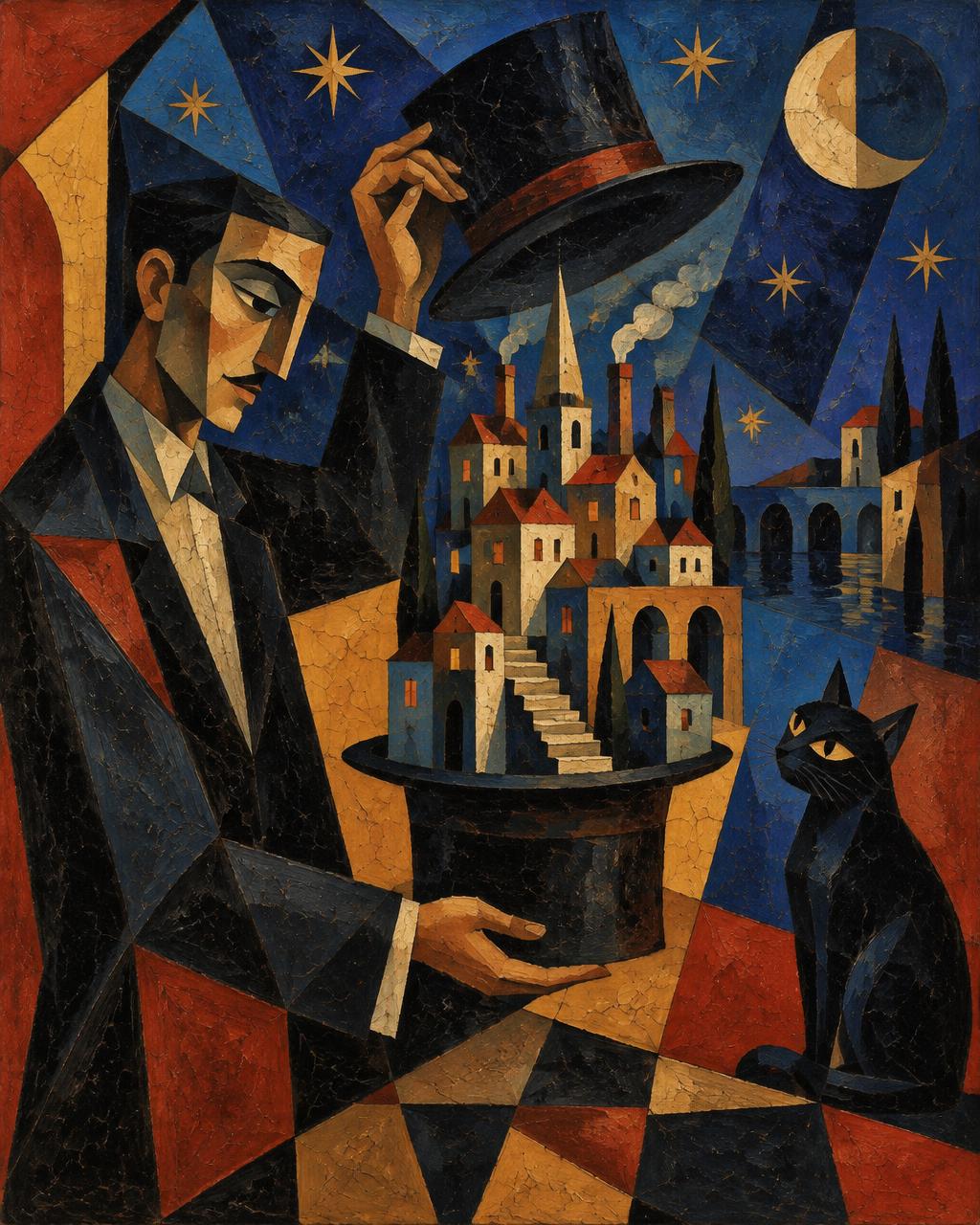
The Magician Archetype
The Magician archetype turns understanding into change, and struggles when transformation is denied.
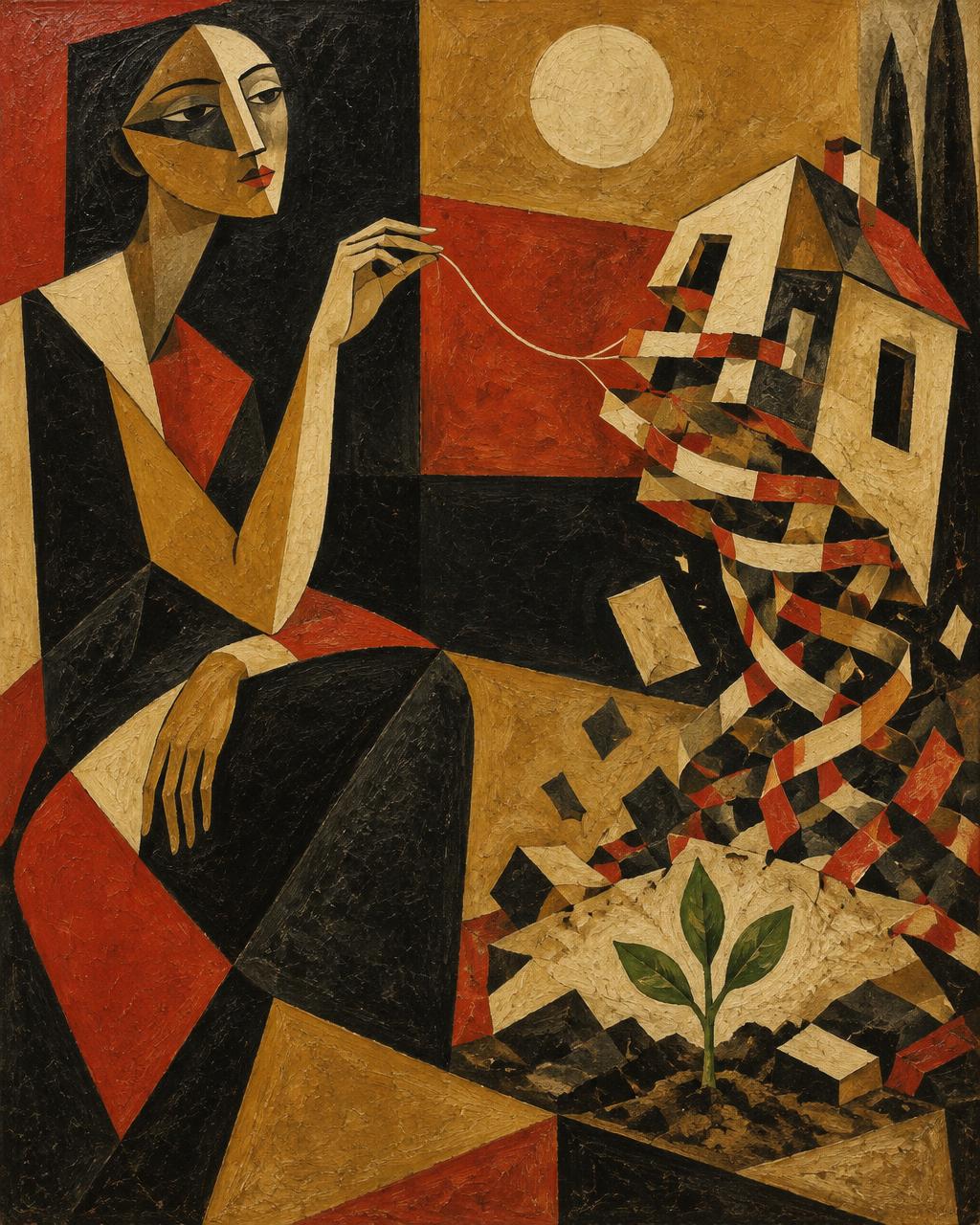
The Destroyer Archetype
The Destroyer archetype ends what no longer serves you, so something truer can take its place.
Not sure which of these sounds like you? Take the Archetype Finder.
the next question
One entry is a symbol. Several, read together, are a pattern - and a pattern is the beginning of a personal mythology.