Archetypes
The Warrior Archetype: The Discipline of Standing Your Ground
The Warrior is not aggression. It is the part of you that can stay when staying is hard, and act when action costs something. Without it, nothing important holds.
What the Warrior really is
The Warrior is one of the most misunderstood archetypes in psychology. Popular culture often reduces it to aggression, dominance or physical strength. The deeper archetype is something quieter. It is the part of the psyche that can remain steady when life becomes difficult.
Discipline. Focus. The willingness to endure discomfort in service of something that truly matters.
For Carl Jung and the psychologists who followed him, the Warrior was never defined by a love of conflict. It was defined by the capacity to meet conflict without losing its centre. The mature Warrior does not look for battles, nor does it avoid them. It acts when action is required and remains still when stillness serves better.
Real Warrior energy rarely needs to announce itself. It keeps its word. It honours its commitments. It continues long after enthusiasm has faded because it understands that some things are worth doing whether they are easy or not.
Where the Warrior comes from
The Warrior often begins to emerge when a person discovers they can carry difficulty without being defeated by it.
For some, that discovery comes through childhood adversity. They learn to hold themselves together because life asks them to. For others, it develops through discipline: sport, music, military service, study or years spent mastering a craft. The circumstances differ, but the lesson is the same. They discover that persistence is stronger than impulse.
Sometimes the Warrior appears much later in life. A person commits to recovery, therapy, a vocation or a demanding practice and slowly realises they are capable of far more than they once believed. The strength was always there. The discipline simply gave it somewhere to grow.
How the Warrior appears in everyday life
The Warrior rarely draws attention to itself. It appears in the people who quietly keep their promises, meet their responsibilities and continue when others have already given up. In moments of uncertainty, they are often the ones who stop reacting and begin doing what the situation actually requires.
There is usually a steadiness about them. Not because they never feel fear or doubt, but because they have learned that feelings do not always need to dictate action. They understand that courage is not the absence of difficulty. It is the decision to move through difficulty without abandoning what matters.
The Warrior is also the part of us that protects healthy boundaries. Agreements are honoured. Deadlines matter. Promises are kept. Rules are enforced not out of rigidity, but because without structure, trust slowly begins to disappear.
Internally, the Warrior speaks with quiet certainty.
This is what I will do.
Not because it is easy.
Because it is right.
When that voice is healthy, it becomes one of the most stabilising forces in a person's life.
The Warrior's gift
Every archetype has a gift, and the Warrior's gift is follow-through.
Without the Warrior, vision remains imagination. The Creator dreams but never builds. The Sage understands but never applies. The Lover feels deeply but struggles to protect what it loves. The Warrior is the part of the psyche that turns intention into reality.
It also brings protection. Not only of people, but of values, principles and the quieter parts of ourselves that cannot always defend themselves. Healthy Warrior energy is reassuring because it remains calm when others become overwhelmed. It creates stability simply by refusing to abandon what is important when circumstances become difficult.
The Warrior reminds us that strength is measured less by force than by consistency. Anyone can act when they feel inspired. The Warrior acts because the commitment itself has become part of their character.
The Warrior's shadow
Like every archetype, the Warrior has a shadow. It usually appears in one of two forms.
The first is force without wisdom. The Warrior loses contact with the Lover's compassion and the Sage's perspective, and strength becomes the first response instead of the last. Every disagreement becomes a battle. Every challenge becomes something to overcome. Over time, the Warrior begins protecting itself from life rather than participating in it.
The second shadow is quieter and often harder to recognise.
It is the Warrior who never puts the armour down.
Responsibility becomes identity. Rest begins to feel like failure. Achievement replaces self-worth. From the outside this person often appears disciplined and dependable. Inside, they are exhausted.
Modern culture frequently rewards this version of the Warrior. Productivity is praised. Constant availability is admired. Endurance becomes something to celebrate. Yet even the strongest person cannot remain in a state of readiness forever. Eventually the body asks for what the mind has been refusing.
The mature Warrior understands that discipline includes recovery. There is a time to stand firm, a time to advance, and a time to step back. Knowing the difference is not weakness. It is wisdom.
When the Warrior appears in dreams
The Warrior often announces itself through dreams long before we recognise it in waking life.
Dreams of fighting, defending others or preparing for battle rarely predict literal conflict. More often they reflect an inner readiness to protect something that matters. The psyche is gathering strength for a situation that requires courage, honesty or firm boundaries.
Dreams of being chased can also carry Warrior energy. These dreams often change at the moment the dreamer turns to face whatever has been pursuing them. The chase ends not because the threat disappears, but because something within the dreamer has changed.
The Warrior is rarely asking us to become more aggressive.
It is asking whether we are finally prepared to stand our ground.
Living with the Warrior more consciously
The Warrior grows stronger through practice rather than intention. It is shaped by the decisions we make repeatedly, especially when no one else is watching.
One of the simplest ways to strengthen this archetype is to commit to a discipline and remain with it. The discipline itself matters less than the consistency it requires. It may be physical training, creative work, meditation, learning a craft or showing up for the people who depend on you. Over time, the Warrior begins to trust that your actions will match your intentions.
Another lesson is learning which battles truly belong to you. Not every disagreement deserves your energy. Not every criticism requires a response. Mature Warrior energy is measured not by how often it fights, but by how carefully it chooses where to stand. Some of the strongest people are those who quietly walk away from battles that have nothing to teach them.
Perhaps the hardest lesson of all is rest.
Many people carry the unconscious belief that slowing down means falling behind. The Warrior knows something different. Recovery is not the reward for discipline. It is part of the discipline itself. Without rest there is no resilience, only endurance, and endurance alone eventually becomes exhaustion.
The Warrior in relationships
In relationships, the Warrior often expresses love through action rather than words. Protection, reliability and keeping promises become its language. People with healthy Warrior energy are often those others instinctively turn to when life becomes uncertain because they create a sense of safety through their consistency.
The shadow appears when protection slowly becomes defensiveness. The Warrior who never lowers their guard can become difficult to truly know. Strength begins to replace vulnerability, and those closest to them sense that something remains just out of reach.
The mature Warrior understands that real courage is not only found in standing firm against the world. It is also found in allowing trusted people to see uncertainty, grief and tenderness without treating them as weaknesses.
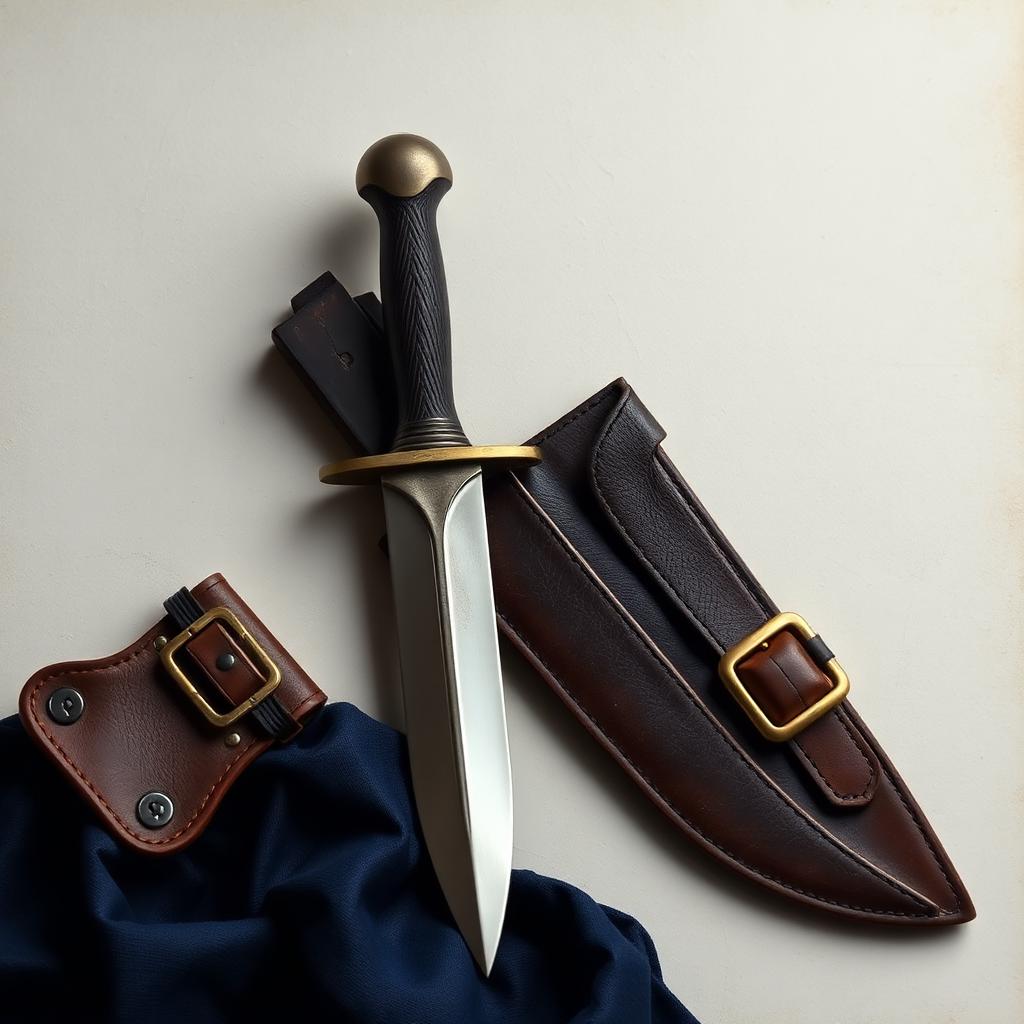
The strongest Warrior is not the one who never lays the sword down.
It is the one who knows exactly when to.
The Warrior across the stages of life
The Warrior changes as we do.
In youth, it often seeks proof. It wants to know it can carry the weight, meet the challenge and overcome whatever stands in its way. Achievement becomes evidence that it is capable.
As life unfolds, the questions become more demanding. Careers, relationships, family and responsibility ask the Warrior for something greater than endurance alone. The body grows tired more easily. The costs of constant striving become harder to ignore. What once felt like strength can slowly become a burden if it is never balanced by reflection.
Many people encounter a turning point during midlife. A relationship ends. A career changes. Health forces a different pace. The Warrior discovers that determination alone cannot solve every problem. This is not the loss of the archetype. It is its maturation.
The elder Warrior is recognised not by physical strength but by steadiness. Others seek them out because they remain calm when life becomes uncertain. Their authority comes less from what they have achieved than from what they have endured without losing themselves.
A writing practice for meeting the Warrior
If you want to meet the Warrior more consciously, begin with a notebook rather than a battle.
Set aside twenty quiet minutes with no distractions. Start by writing the sentence:
The Warrior in me wants...
Keep writing without stopping. Don't edit your words or search for the right answer. Simply allow whatever emerges to arrive on the page.
When ten minutes have passed, begin again with a different sentence:
The Warrior in me is afraid of...
The first question often reveals the direction your strength wants to take. The second reveals what that strength has been protecting all along.
When you finish, close the notebook.
Don't analyse it immediately.
Go for a walk. Let the words settle. Return to them a few days later and notice what repeats. The Warrior often speaks quietly, but it is remarkably consistent once you learn its voice.
Common misunderstandings of the Warrior
The Warrior is often mistaken for aggression, dominance or emotional hardness. Those qualities can appear when the archetype falls into shadow, but they are not its defining characteristics.
Real Warrior energy is recognised by its steadiness rather than its intensity. It is the quiet determination to honour what matters, even when no one else notices. It protects without needing to intimidate and leads without demanding attention.
Many people dismiss the Warrior because they are looking for the stereotype instead of the pattern. They imagine strength must always be loud, decisive or physically imposing. More often, the Warrior appears in the parent who continues showing up, the friend who keeps their word, or the person who chooses integrity when no one would know the difference.
The archetype reveals itself less through dramatic moments than through repeated choices. The same commitment. The same reliability. The same willingness to stand firm when it would be easier to walk away.
Once you begin recognising that pattern, the stereotypes lose their influence. You stop asking whether someone looks like a Warrior and begin noticing whether they live like one.
If this archetype feels familiar
Many people carry strong Warrior energy without ever giving it a name. They simply know they have spent much of their lives carrying responsibility, protecting others or quietly enduring more than people realise.
Recognition changes that relationship.
Instead of feeling defined by responsibility, you begin to understand the deeper pattern shaping your decisions.
You see where the Warrior has served you well, where it has become exhausted and where it may be asking for greater balance.
Your Mythology Profile explores which archetypes are most active in your life today and how they work together.
The Warrior rarely stands alone. It often appears alongside the Hero, the King or the Sage, each bringing a different way of meeting the world.
Continue Reading The Hero Archetype The King Archetype What is MythRadar? Begin Your Personal Mythology
A final reflection
The Warrior does not need to prove its strength.
It simply lives it.
Like every archetype, it changes with the seasons of a life. There are times when it must step forward and times when it must step back. Wisdom lies in recognising which season you are living rather than trying to remain the same person forever.
If this archetype has felt familiar, let that recognition be enough for today. The work of integrating the Warrior is rarely dramatic. It happens through ordinary decisions, quietly repeated, until discipline becomes character and courage no longer needs an audience.
Discover Your Active Archetypes
The Warrior is only one voice within the psyche. Your Personal Mythology reveals which archetypes are shaping your decisions, relationships and recurring life patterns, and how they work together to tell your story.
Begin Your Personal MythologyI post the short version of these on Instagram most days. Follow @mythradar on Instagram