Dreams
Why Now?
Dreams do not appear at random. Explore why the psyche introduces particular dreams at particular moments, revealing that timing often provides deeper insight than symbolism alone.
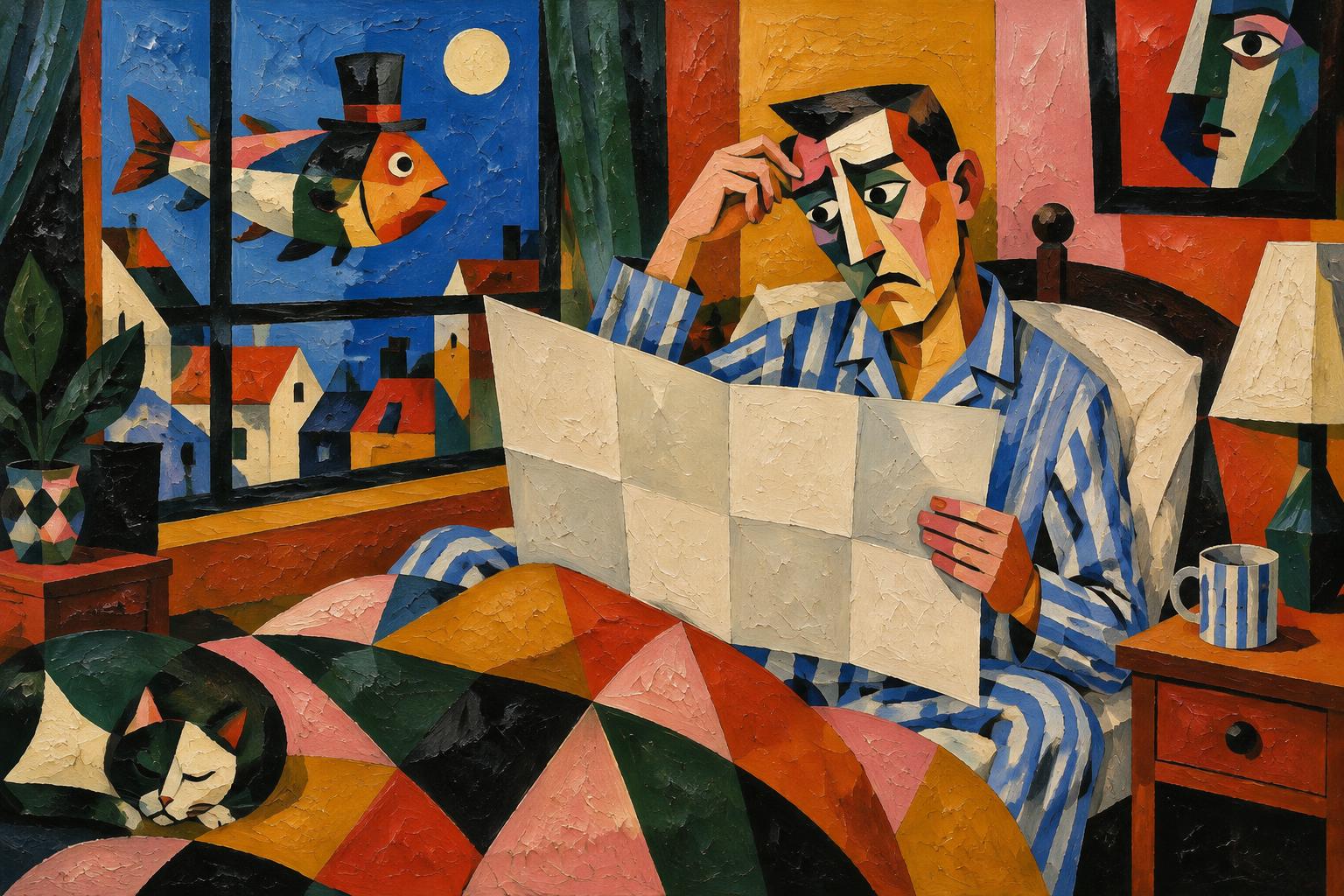
Every morning millions of people wake carrying the same question. The dream itself may already be fading, although some details refuse to disappear. An old friend returns after twenty years, a childhood home appears exactly as it once was, or a conversation takes place with someone who died long ago.
Consciousness immediately asks what the dream means, assuming the answer lies somewhere inside the dream itself, but the psyche points towards a different question entirely.
Why this dream? Why today?
Timing has received remarkably little attention within dream interpretation. Symbols are analysed, characters are identified and stories are reconstructed, yet the moment in which the dream appears is frequently treated as little more than coincidence. The psyche treats timing very differently, a dream does not emerge because the symbol has become important. It emerges because something in the present has awakened an older psychological structure that has remained organised beneath awareness, waiting until the surrounding conditions make recognition possible.
This is why dreams frequently surprise us. Consciousness experiences the dream as an interruption, while the psyche has been preparing it long before sleep began. The conversation held yesterday, the unexpected photograph discovered in a drawer, a passing smell, a familiar expression on a stranger's face or a decision that has remained unresolved may appear insignificant in isolation.
The psyche has already recognised their relationship, sleep provides the conditions through which those fragments can finally assemble into a single psychological experience.
The Dream Begins Before Sleep
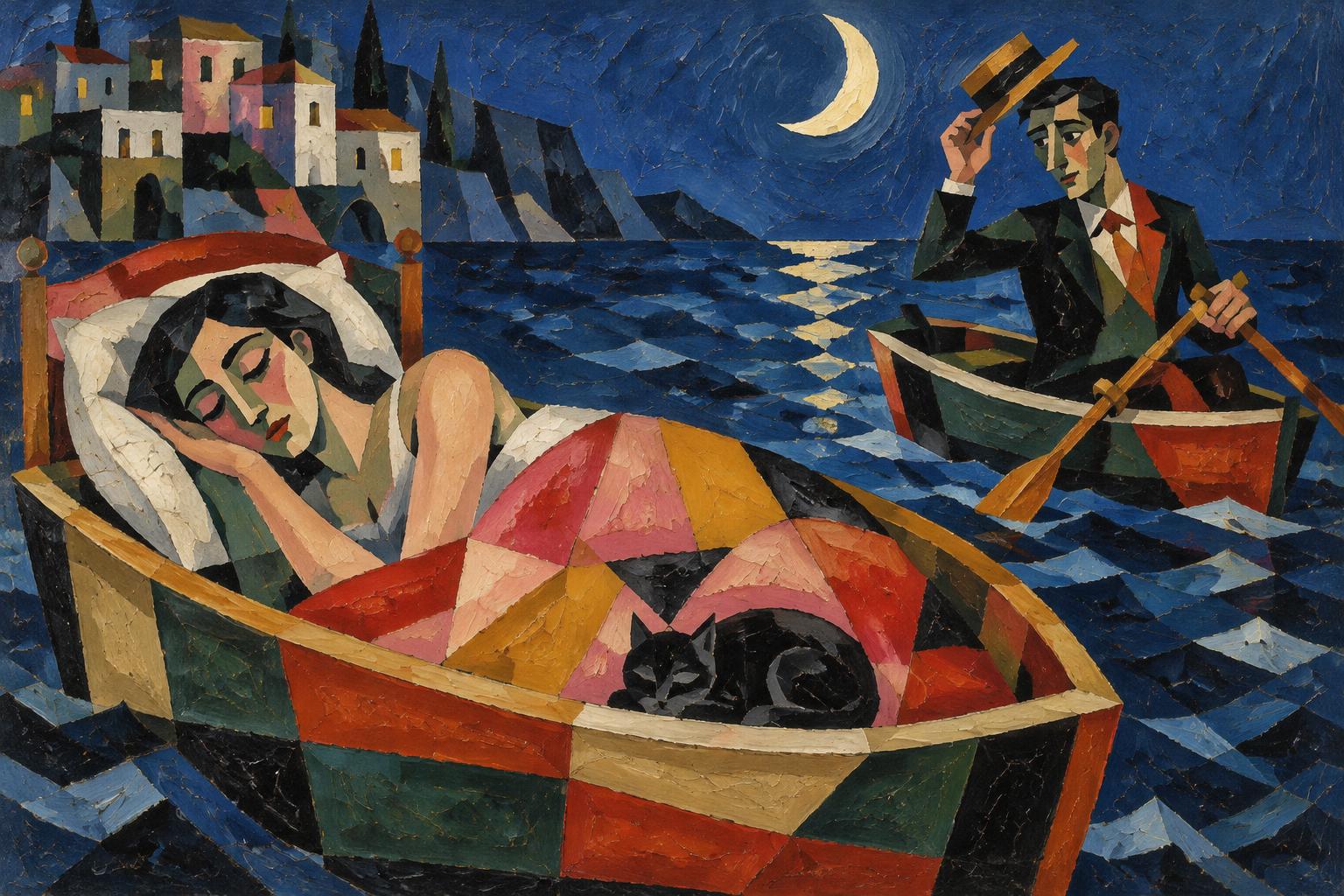
The dream itself is only the visible part of a much longer process. By the time the first image appears, the psyche has already been gathering material from waking life, comparing present experience with older conclusions and recognising relationships that consciousness has not yet begun to notice. Sleep does not create this process, it reveals it.
This explains why dreams frequently appear to concern the past while responding to something unfolding in the present. A dream about school may arrive decades after education ended, a former partner may suddenly return after years of complete absence; a childhood bedroom may become the setting for events that clearly belong to adult life.
Consciousness naturally assumes the psyche is looking backwards, the evidence suggests something more interesting. The present has activated an earlier Pattern, and the psyche has selected the psychological landscape that best describes it.
The Present Awakens The Past
Memory doesn't preserve every experience with equal authority, certain moments remain psychologically active because the conclusions formed within them continue organising later experience. The event belongs to history, yet its meaning continues reading the present. When current circumstances begin resembling that earlier structure, the psyche responds immediately, even though consciousness may remain completely unaware of the connection.
This is why dreams can appear strangely disproportionate to ordinary life. An insignificant disagreement produces an emotionally overwhelming dream, a routine meeting is followed by vivid imagery from childhood, an apparently successful period of life suddenly fills with dreams of examination halls, abandoned houses or missed trains.
Consciousness searches yesterday for an explanation because yesterday appears closest, the psyche has travelled much further. It has recognised a familiar Pattern, gathered together every experience belonging to that Pattern and presented them within a single symbolic landscape.
The dream therefore becomes evidence that something older has begun participating in the present once again. It is responding neither to the past nor the present in isolation, but revealing the relationship between the two.
Timing Reveals The Psychological Question
A symbol has no meaning independent of the moment in which it appears, and this is where many approaches to dream interpretation lose their authority. They ask what a house means, what water represents or why a particular person appeared, while overlooking the more revealing observation.
Why did the psyche choose that symbol today instead of last month, last year or ten years ago? Timing is not an accessory to interpretation, timing is part of the interpretation.
Consider two people who dream about the same childhood home, one dreams of it during the birth of a child, the other after ending a twenty-year relationship. The house remains identical, its psychological function does not.
The symbol has been recruited into two entirely different conversations because the psyche is responding to two entirely different questions. Consciousness sees the same image, while the psyche is reading two different moments in life.
This is why no dream symbol possesses a permanent definition, meaning is created through relationship. The symbol relates to the emotional atmosphere, the surrounding images, the life currently being lived and, perhaps most importantly, the moment in which the dream appears. Remove any one of those relationships and the interpretation begins losing its psychological depth.
Dreams Follow Psychological Time
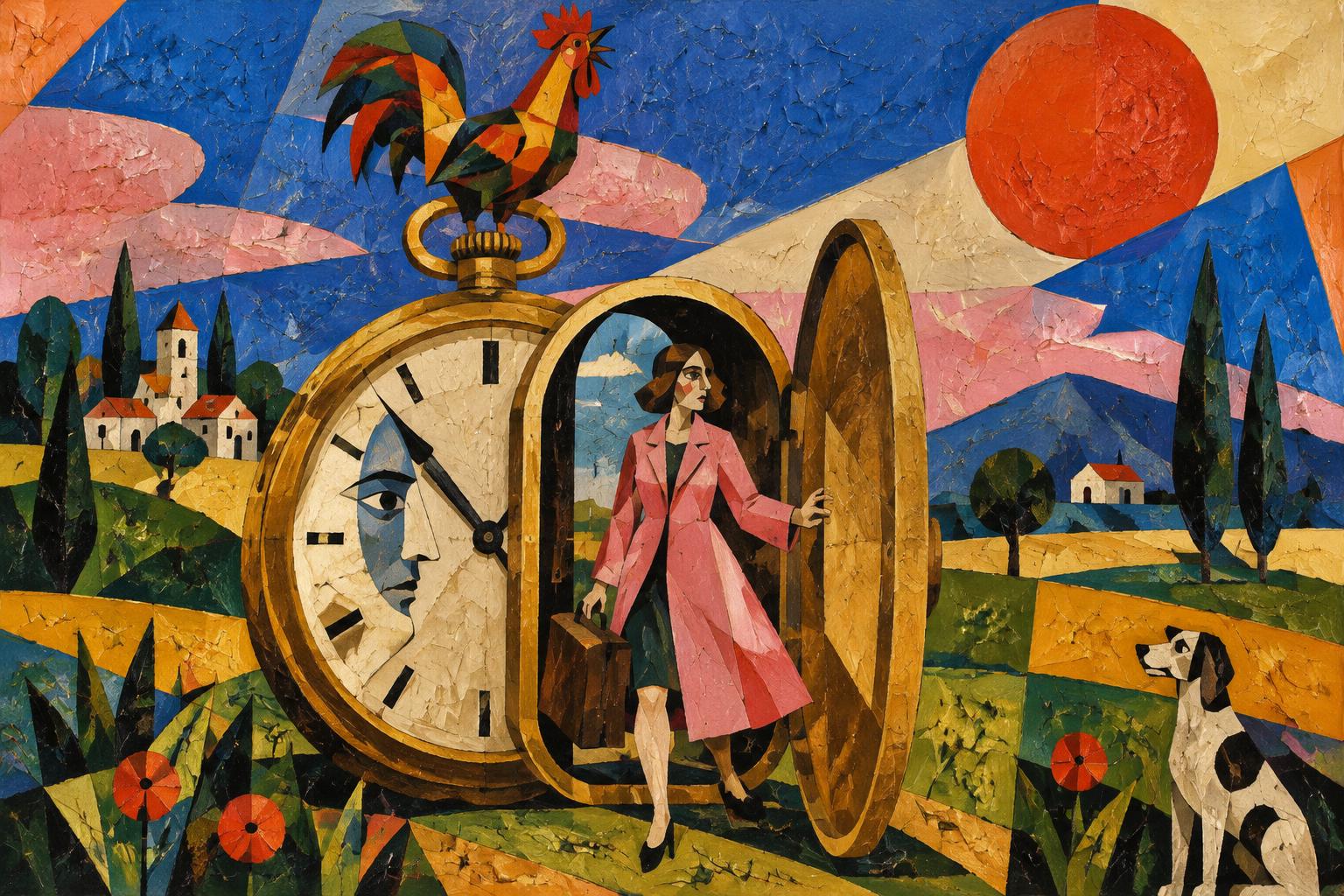
Chronological time belongs to consciousness. Psychological time belongs to the psyche.
Consciousness separates experience into years, decades and life stages because this provides order, the psyche organises experience through significance. An experience from childhood may stand beside one from yesterday because both belong to the same unresolved Pattern, a conversation from adulthood may appear inside a school classroom because the psychological question being explored first emerged there. Time becomes secondary, and meaning determines the organisation.
This explains why dreams ignore chronology with such confidence. A grandparent may speak with a colleague who has never met them, a child may possess the knowledge of an adult or a place demolished decades earlier appears completely intact.
None of these experiences are attempting to recreate reality, they are assembling evidence. The psyche is placing psychologically related experiences beside one another because proximity in meaning carries greater importance than proximity in time.
The dream therefore asks to be read symbolically rather than historically and the order of events matters less than the relationships they reveal.
Once this becomes visible, dreams stop appearing irrational and they become remarkably organised documents describing how the psyche itself arranges experience.
The Dream Is Looking For Recognition
Many people assume dreams exist to deliver answers, although dreams present recognition before they present explanation. The psyche assembles a psychological landscape and waits for consciousness to notice what has remained hidden within ordinary life. This is why some dreams continue returning after they have already been interpreted, the explanation may have been intellectually satisfying, but the underlying Pattern has not yet been recognised within waking experience.
Recognition changes the role of the dream entirely, the dream is no longer treated as a puzzle waiting to be solved before breakfast. It becomes evidence that something already active within the psyche has reached a point where it can no longer remain outside awareness.
The images become memorable because the Pattern has become urgent, the timing reflects that urgency. The dream arrived because the psychological moment required it.
Dreams Arrive When The Psyche Is Ready
Dreams are sometimes remembered for years without ever becoming understandable. Then, without warning, the same dream suddenly becomes obvious, nothing within the dream has changed. The dreamer has.
This observation deserves far more attention than it receives, if dreams existed only to communicate information, understanding them would depend upon the clarity of the dream itself. Instead, understanding frequently depends upon the psychological position of the person having it.
The same dream can remain opaque throughout one chapter of life before becoming unmistakably clear during another. The psyche appears to wait until consciousness possesses enough experience to recognise what the dream has been describing all along.
This is one of the reasons dreams should never be dismissed because they appear confusing, confusion frequently reflects timing rather than failure. The psyche has introduced an observation that consciousness has not yet developed the language to understand.
Weeks, months or even years later, another experience provides the missing context. The dream has not changed its meaning, consciousness has finally reached it.
The Dream Is Part Of A Longer Conversation
No dream exists alone.
Every dream belongs to a sequence, although consciousness usually remembers them as isolated experiences separated by ordinary life. The psyche remembers them differently. One dream introduces a question, another returns carrying a different symbol. Months later the same emotional atmosphere appears inside a completely different narrative or years later a forgotten dream suddenly connects itself to one remembered only yesterday. The conversation has been continuing all along.
Recording dreams becomes valuable, a single dream may feel mysterious, while twenty dreams begin revealing a psychological continuity that would otherwise remain invisible. Symbols evolve, characters disappear, locations change and emotional atmospheres become lighter or darker.
The psyche is not repeating itself, it is documenting movement. The reader who follows that movement gradually stops asking what each dream means and begins recognising what the psyche has been attempting to organise across time.
Meaning therefore emerges between dreams as much as within them.
The Better Question
The question, "What does my dream mean?" has shaped dream interpretation for generations.
It is rarely the best place to begin.
A more revealing question asks why this particular dream entered consciousness at this particular moment.
What has changed in waking life?
Which emotional atmosphere has returned?
What conversation remains unfinished?
Which older Pattern has recognised itself within the present?
Those questions change the direction of interpretation completely, dreams cease becoming mysterious messages arriving from nowhere and they become evidence that the psyche has recognised a relationship consciousness has not yet fully understood.
The dream did not interrupt your life.
It belongs to it.
It arrived because the psyche recognised a moment worthy of attention, gathering together memories, emotions, symbols and experiences into a single psychological document before consciousness had realised the conversation had already begun.
Understanding a dream therefore begins somewhere entirely unexpected.
Not with the dream itself.
With the moment that invited it.
Continue Reading
Continue exploring the psychology of dreams.
Why Dreams Never Explain Themselves
Discover why dreams communicate through symbols instead of direct explanations.
Principle 001 The Pattern Comes First
Understand why repetition is the basic language through which the psyche reveals itself.
Principle 004 The Psyche Always Seeks Balance
Discover why dreams reveal what consciousness has overlooked.
Principle 010 You Have Been Reading Your Life Backwards
Explore why dreams become understandable when they are read as psychological evidence rather than isolated events.
Journal prompts
- Think about the last dream that stayed with you throughout the day.
- Ignore the symbols for a moment.
- Instead, ask why it appeared now.
- What conversation had been left unfinished?
- What decision was approaching?
- What emotional atmosphere had been present before you went to sleep?
- The timing of a dream frequently reveals more than the dream itself.
Read Your Dreams Differently
A single dream is a fragment. Read together, your dreams reveal the psychological Patterns organising your life long before consciousness notices them.
Begin Your Personal MythologyI post the short version of these on Instagram most days. Follow @mythradar on Instagram