Dreams
Why Do We Forget Most of Our Dreams?
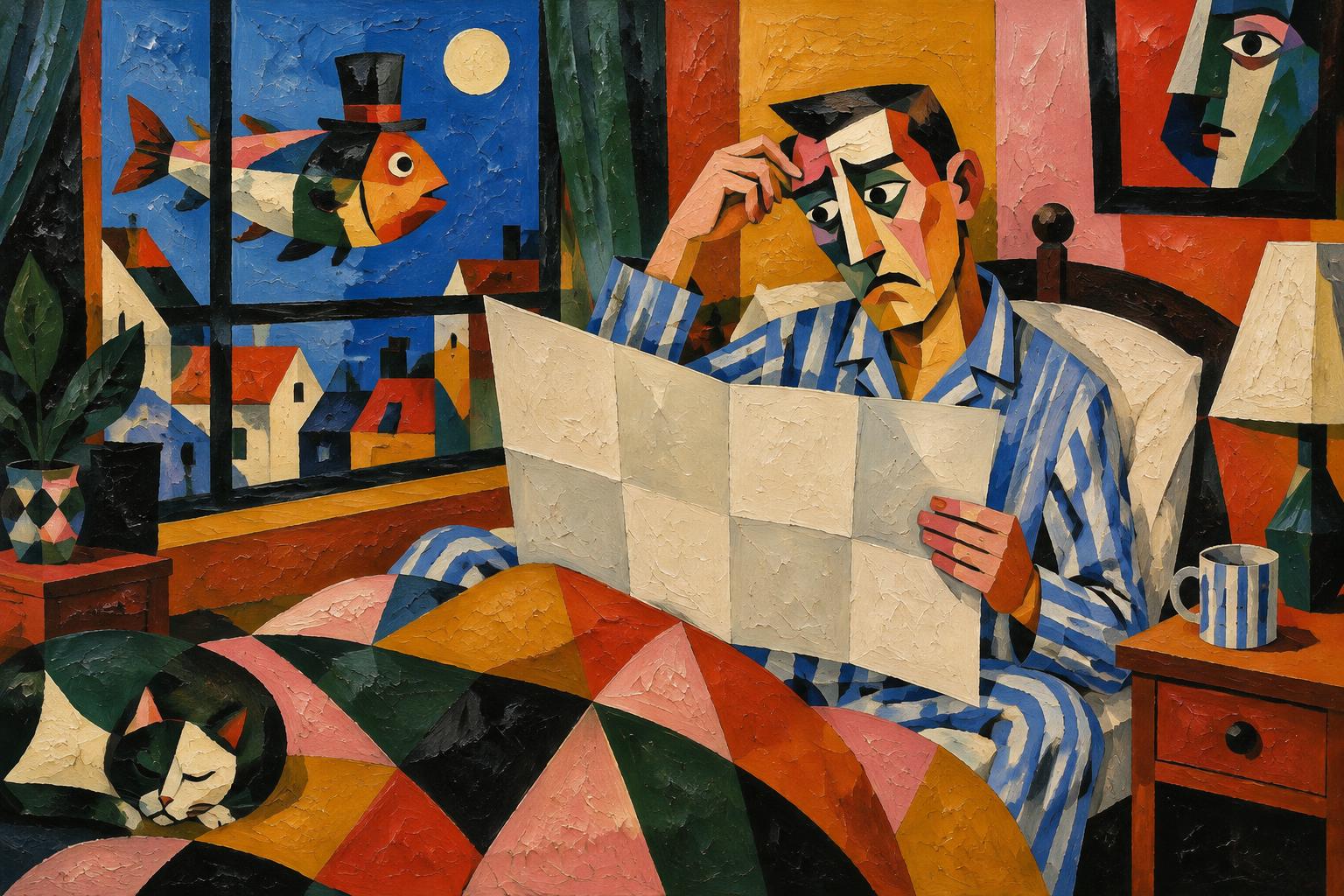
The room is usually grey when it happens. There is a specific, muted quality to the light of six in the morning, a silence that feels less like the absence of sound and more like a heavy, unseen fabric draped over the furniture.
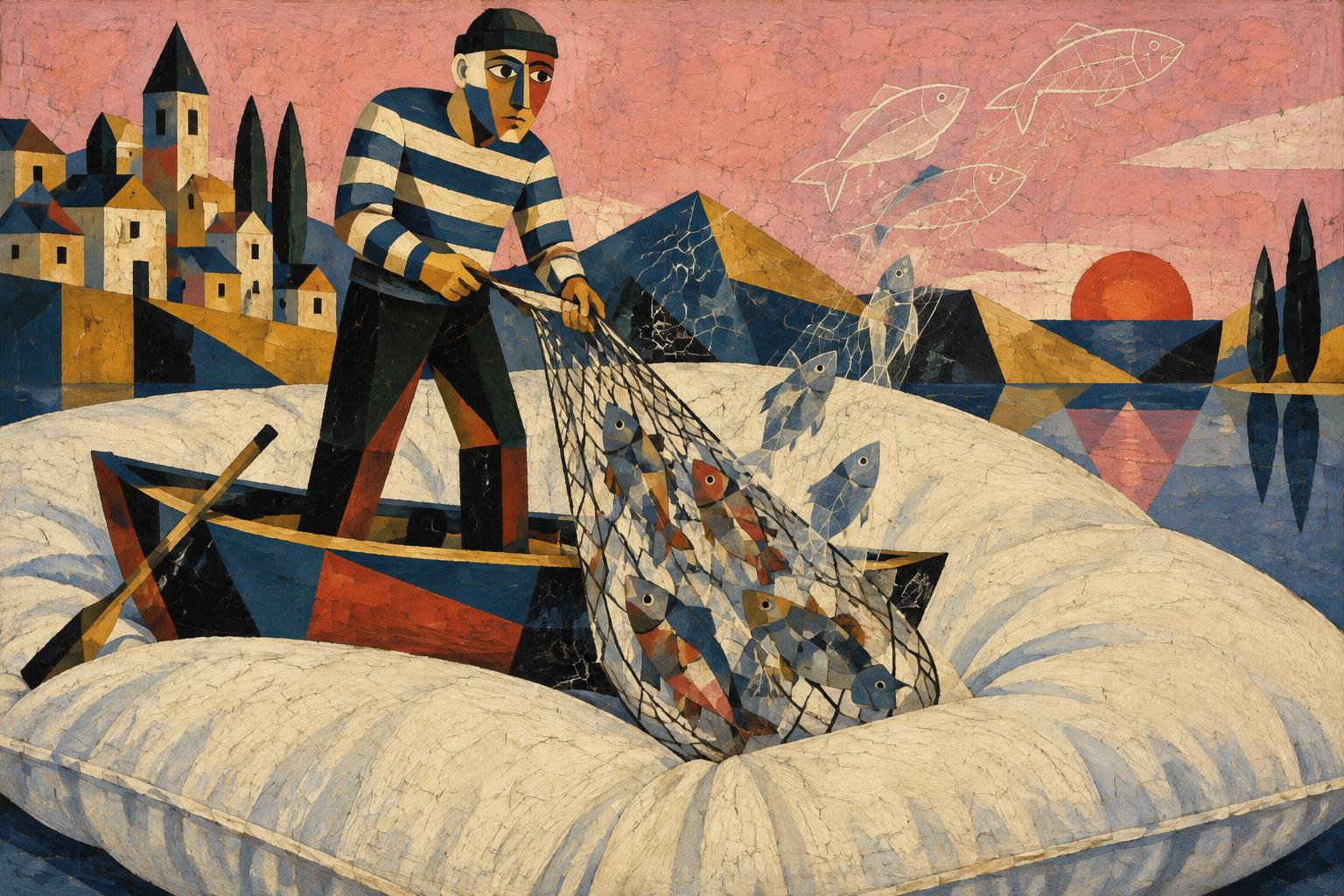
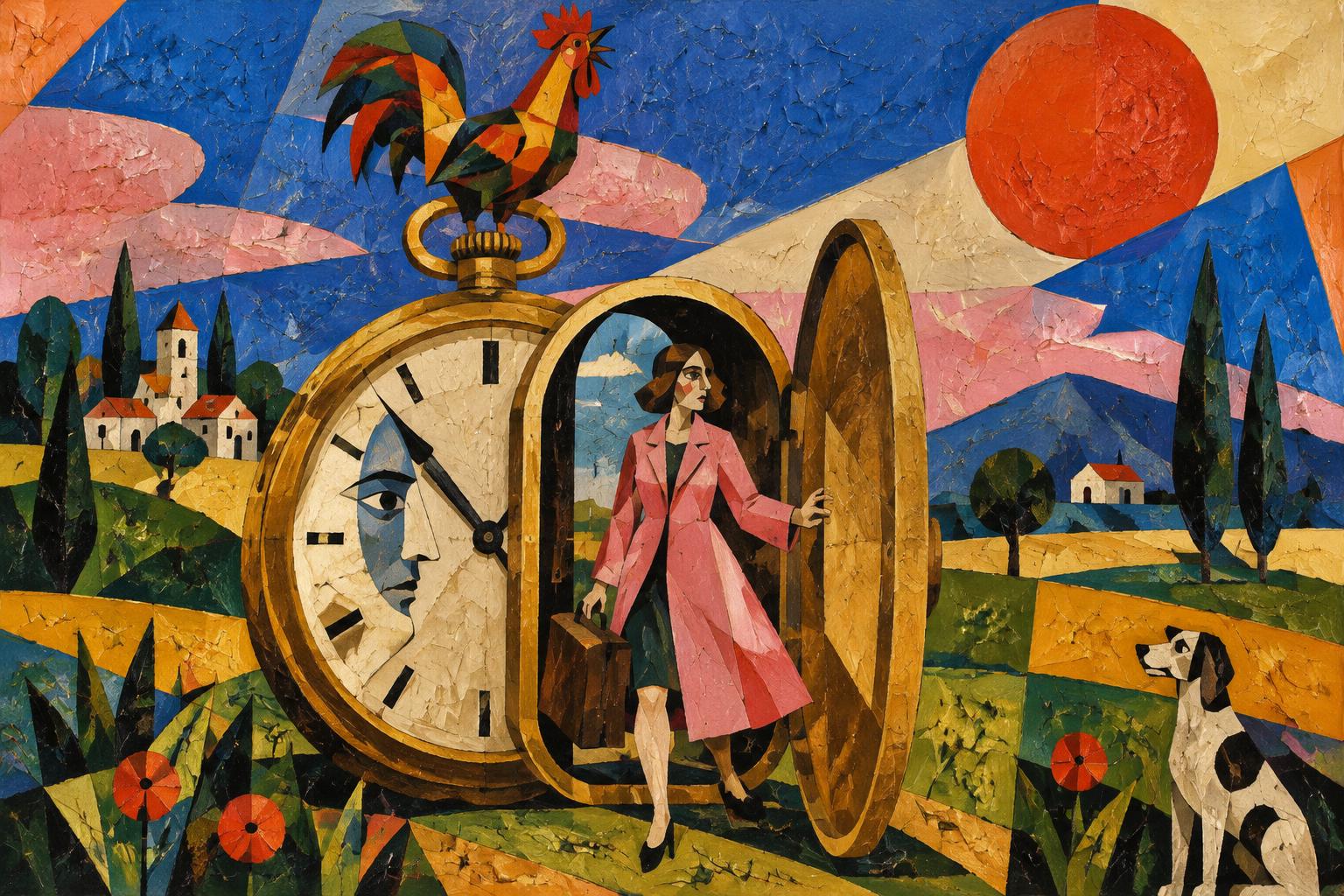
The room is usually grey when it happens. There is a specific, muted quality to the light of six in the morning, a silence that feels less like the absence of sound and more like a heavy, unseen fabric draped over the furniture. You lie there with your eyes closed, and for a heartbeat, you are still standing on a pier that smells of salt and old cedar, or you are holding a conversation with a mother who has been dead for a decade. The weight of the dream is tangible; it has a temperature, a certain pressure against the chest. Then, you shift your weight. You draw a single, conscious breath. And in an instant, the pier dissolves into the pattern of the duvet, and the mother’s voice becomes the hum of the refrigerator in the kitchen. The loss is so sudden it feels like a physical theft.
We spend roughly a third of our lives in this other country, yet we walk back across the border every morning with empty pockets. It is a strange grief, this daily amnesia. We carry the residue of an emotion - a lingering anxiety that tightens the throat or a misplaced joy that feels like a sunlit room - but the architecture that housed the feeling has vanished. We are left clutching at ghosts, trying to describe a color that no longer exists in the waking spectrum. Where does it go? you ask yourself, staring at the ceiling. How can something so vivid be erased by the simple act of opening an eye?
The Threshold of Discarded Things
The biology of this forgetting is, of course, a matter of chemical necessity. While we sleep, the brain is bathed in a cocktail that inhibits the synthesis of proteins required for long-term memory, a protective measure that prevents us from mistaking the flight across the ocean for a literal movement of the body. Acetylcholine rises while norepinephrine falls, creating a state where the mind is firing with electric intensity but the recording equipment is largely unplugged. It is an elegant, mechanical explanation. It tells us that the brain prioritizes the stability of the waking ego, ensuring that when we step onto the floorboards, we know who we are and what day it is. It treats the dream as a temporary file, a scratchpad of neural noise meant to be cleared before the real work begins.
But we do not live our lives in the sterile light of neurology. To the soul, this explanation feels like being told that a symphony is merely the friction of horsehair against catgut. There is a deeper, more intentional quality to the forgetting. We have, over centuries of industrialization and the sharpening of the rational mind, trained ourselves to be efficient amnesiacs. We have decided that the dream is a distraction from the commerce of the day. By treating the nighttime harvest as a pile of chaff, we have signaled to the deeper self that we are not interested in its reports. The forgetting is not just a physiological quirk; it is a cultural reflex, an agreement we make with the sun to ignore the moon.
The Letter Left on the Threshold
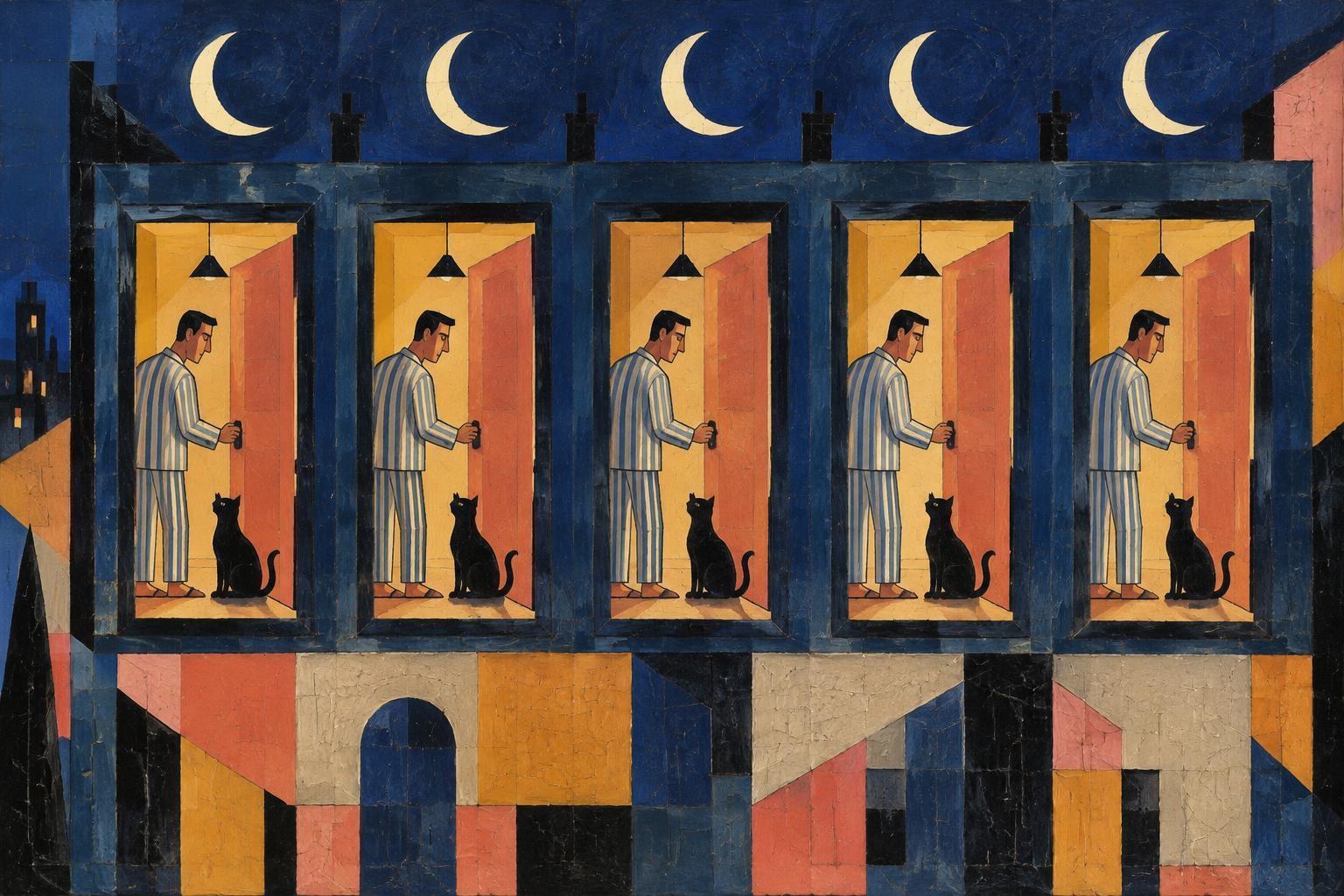
Imagine receiving a letter every morning, slipped beneath the door in an envelope of heavy, cream-colored parchment. Each day, you glance at the handwriting, recognize it as your own, and then promptly toss it into the fire without breaking the seal. After a year, or a decade, of this treatment, the letters might become shorter or the ink more faded. Why should the sender expend the ink if the recipient refuses to read? We often lament that we do not dream, or that our dreams are nonsensical, but we rarely consider that we have been ignoring the correspondence for most of our adult lives. The dream is a primary document of the psyche, a direct transmission from the part of you that does not need to justify its existence to a boss or a spouse.
When we forget a dream, we lose a piece of our own interiority. The dream is not merely a reflection of the past; it is a movement toward the future, an attempt by the unconscious to compensate for the narrowness of our waking perspective. If you are a lion in the boardroom and a mouse in the bedroom, the dream will often present you with the image of a wounded predatory cat, trying to show you where your strength has become a cage. To forget the dream is to let that insight slip back into the dark. It is like waking up in a house you have lived in all your life and realizing you have never once visited the basement or the attic, content to pace the same three rooms of consciousness until the day you die.
The tragedy of forgetting is not that the story ends, but that we forget we were the ones telling it.
The Resistance to the Mirror
There is also a subtle, perhaps merciful, reason why we let these images drift away. The dream is a mirror that does not flatter. It uses the language of archetype and raw emotion to strip away the masks we wear so carefully during the day. In the dream, your resentment toward a friend is not a polite irritation; it is a rotting fish on the dinner table. Your hidden longing is not a passing thought; it is a tidal wave. We forget because the truth found in the dark is often too heavy to carry into the light of the morning commute. It requires something of us. It asks us to change, to reckon with the parts of ourselves we have labeled as unacceptable or beneath our notice.
To remember is to begin a dialogue with the shadow. This is perhaps why the forgetting feels so effortless - it is a form of psychic self-defense. We have been conditioned to value the measurable, the logical, and the productive. The dream, which is none of these things, represents a threat to the orderly progression of the day. If you remember that you were weeping over a broken toy in your sleep, it becomes much harder to pretend that your life is perfectly contained and under control at the ten o'clock meeting. Forgetting is the way the ego keeps its hair combed and its tie straight.
The Art of the Slow Return
Retrieving these lost fragments does not require a grand ritual or a specialized degree. It requires a certain kind of stillness, a willingness to wait in the grey light before the world demands your attention. Use the first few minutes of the day as a bridge. The moment you move, the moment you reach for a phone or a radio, the dream will flee; it is a shy animal that does not like the noise of the century. If you lie still, keeping your eyes closed, and reach back into the dark with a soft intent, the images will often return. You look for a single thread - a color, a feeling, the shape of a house - and you follow it gently back into the labyrinth.
This practice is not about finding a dictionary of symbols that tells you a snake means a betrayal or a mountain means a challenge. Those are the shortcuts of the unpersuaded. Instead, it is about developing a relationship with your own symbolic vocabulary. It is the act of picking up the pen and writing down even the most fragmented sentence: I was standing by a window, and the light felt cold. That is enough. By recording the fragment, you are signifying to the unconscious that the letter has been opened. You are demonstrating a hospitality to the soul. Over time, the amnesia begins to lift, not because your brain chemistry has changed, but because you have made yourself a welcoming host for the images that inhabit you.
The Map of the Unseen
Why do we forget? Perhaps we forget so that we can have the profound experience of remembering. There is a specific kind of electricity that occurs when a dream comes back to you in the middle of a mundane afternoon - perhaps triggered by the way the sunlight hits a glass of water or the specific scent of a passing stranger. In that moment, the two worlds touch. The barrier between the person you pretend to be and the person you actually are becomes thin, and you realize that you are much larger, much stranger, and much older than your biography suggests.
This rhythm of loss and recovery is the slow weaving of your own private history. Each dream you manage to save from the morning light is a stone laid in the foundation of an internal landscape that belongs to no one but you. We forget because we are human, and the vastness of the unconscious is too much to carry all at once. But we remember because we are more than human, and we cannot help but listen for the echoes of our own voice calling to us from the dark. This is how the story of a life is truly written - not in the things that happen to us in the bright world, but in the way we choose to respond to the mysteries that visit us when we have nowhere else to hide.
Related Reading
Why Do Some Dreams Keep Coming Back? · The MythRadar Guide To Dream Interpretation · The Quiet Power of Paying Attention
Every recurring dream, repeated relationship, and returning question is a sentence from the same deeper story. Read what Personal Mythology means at MythRadar - or explore your own with MythRadar.
Continue the thread
If this article resonated, three places to go next:
- Look up the symbols this touches in the Recurring Dreams and Lucid Dreams entries.
- New here? What MythRadar is - why we treat dreams and recurring patterns as personal mythology rather than fortune-telling.
- Ready to map your own pattern? Begin your personal mythology profile.
Related reading
I post the short version of these on Instagram most days. Follow @mythradar on Instagram