Human Behaviour
Why Certain People Feel Significant the Moment We Meet Them
There is a specific stillness that descends when you meet a stranger who does not feel like a stranger at all.
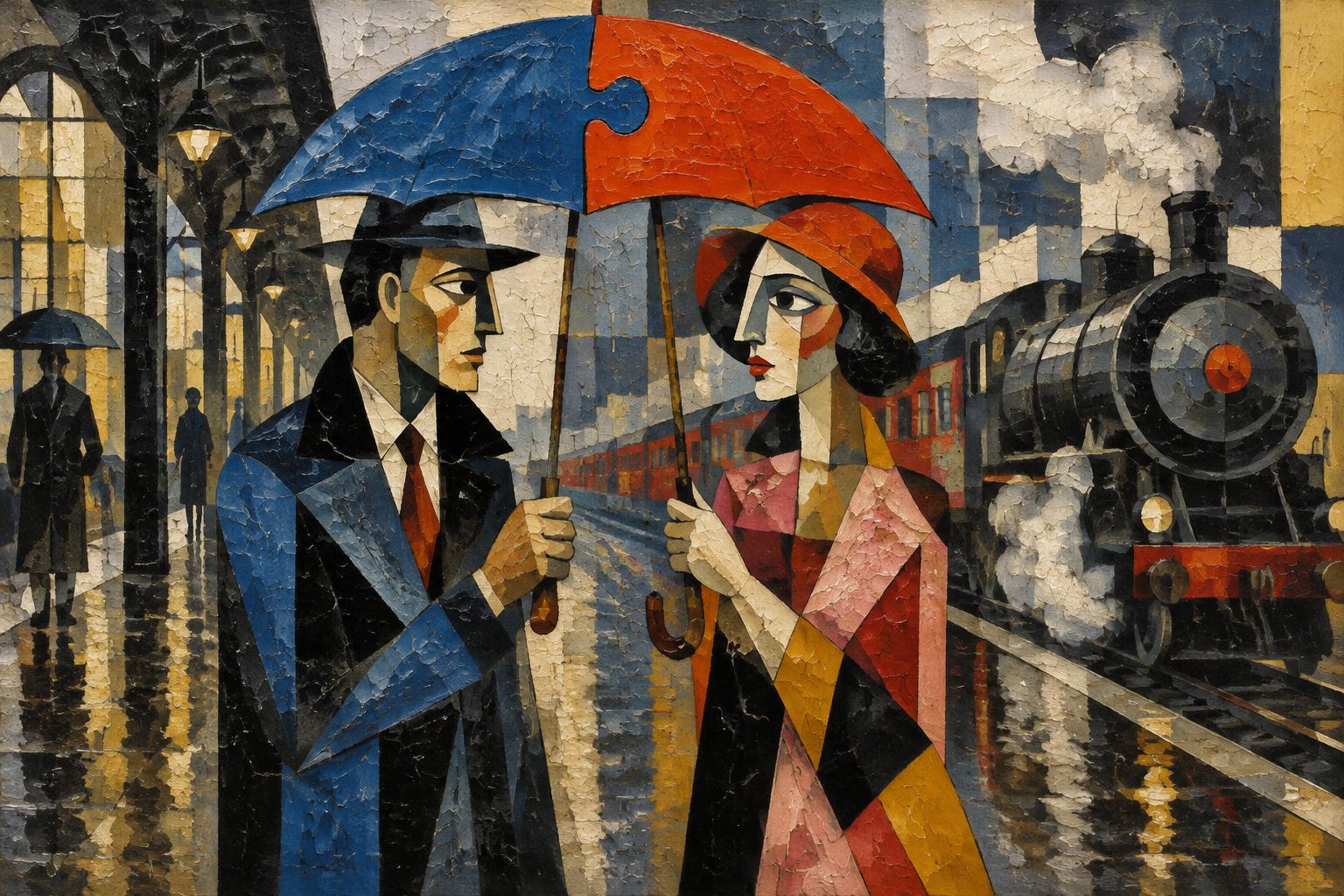
There is a specific stillness that descends when you meet a stranger who does not feel like a stranger at all. You are standing perhaps in a crowded room, or waiting for a train, or sitting across a table in a bland office, and the air around this person seems to have a different density, a texture that your skin remembers even if your mind is struggling to find the file. It is not the sudden jolt of physical attraction, which travels through the blood like a fever, but rather a profound, quiet click of the tumblers, as if a door that has been locked for a quarter of a century has finally found its key. Where have I known you? the intuition whispers, while the logical self is still stumbling through the formal architecture of an introduction.
Most of our interactions are glancing blows, social scripts performed with the efficient surface of the ego, leaving no dent in the deeper floor of our being. We move through the world largely invisible to one another, protected by a necessary armor of anonymity. But then comes this individual who seems to step directly through the barrier, arriving not as a newcomer but as a returning figure. You find yourself speaking to them with an unearned intimacy, sharing things you have not yet admitted to your oldest friends, as if the two of you are simply picking up a conversation that was interrupted a thousand years ago. In that moment, the linear forward-motion of time ceases to matter, and you are standing in the presence of what C.G. Jung might have called a constellation of the soul.
The Interior Map Found Outside
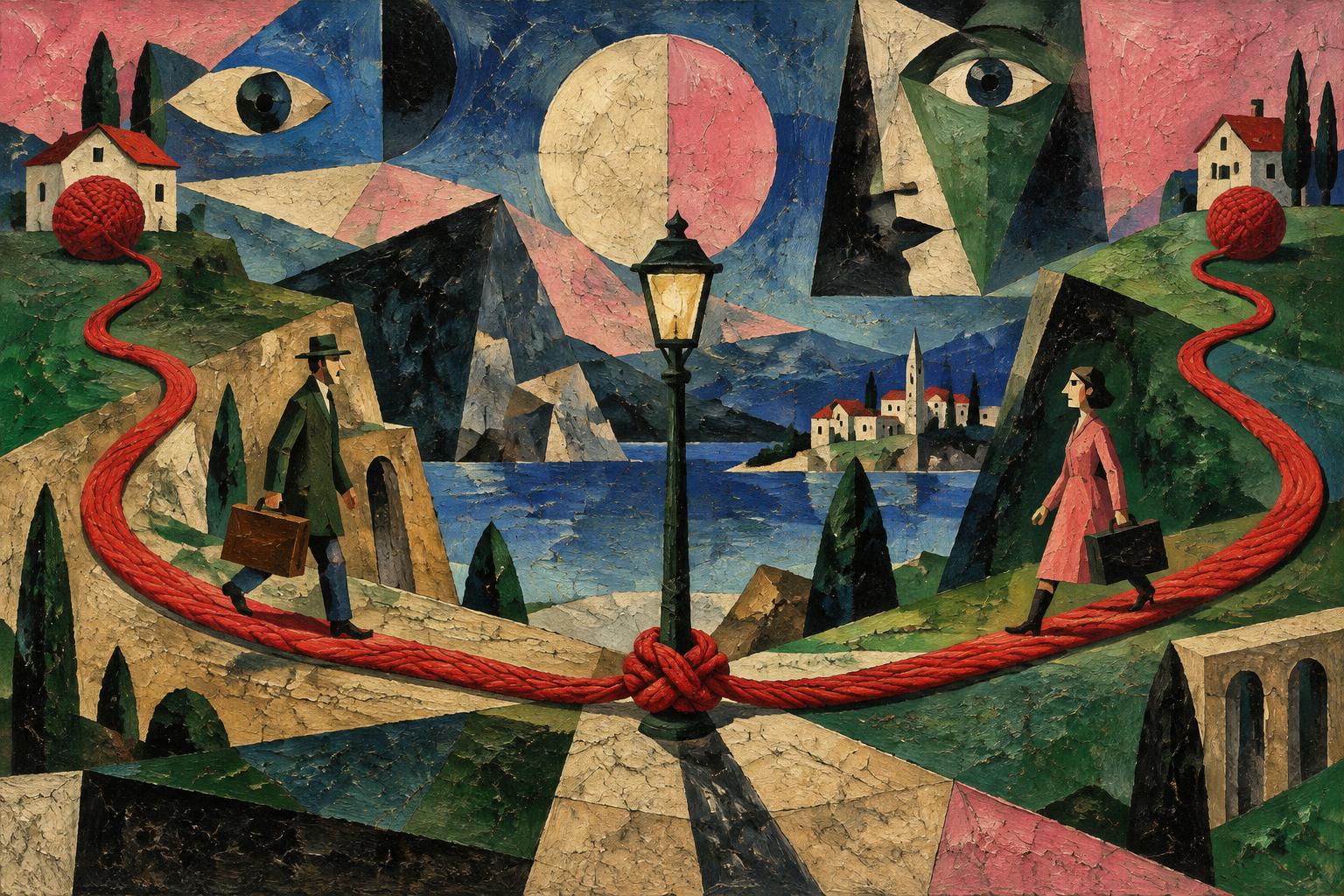
To understand this recognition, we must first consider that we do not walk the earth as empty vessels, but as maps. Buried within the unconscious is a vast, shadowed blueprint of everything we are and everything we have failed to become. We carry our unlived lives, our repressed strengths, and our ancient archetypal needs like silent stowaways in the hull of a ship. Usually, these internal figures remain invisible, lurking in the dark waters where we cannot see them. But occasionally, we encounter a human being whose physical presence, whose way of holding their hands or tilting their head, acts as a perfect screen for these inner images.
When Jung spoke of constellation, he was describing the way an external event or person can suddenly activate a dormant complex within us. It is as if a certain frequency is played, and because we hold that same frequency inside, we begin to vibrate in sympathy. The significant person does not "bring" importance to us; they light up an importance that was already waiting in the dark. We feel they are significant because they have become the temporary home for a displaced part of our own psyche. They are holding a piece of our gold, or perhaps a piece of our shadow, and we cannot look away until we have understood why the light reflecting off them feels so blindingly familiar.
The Gravity of the Archetype
It is important to distinguish this quiet pull from the loud clamor of romantic desire. Attraction is often a pursuit of what we want, but recognition is a response to what we require. One is a hunger; the other is a home-coming. You might meet a woman who is old enough to be your grandmother, or a man with whom you share no common language, yet the gravity they exert is undeniable. They represent a milestone in your personal development, an archetypal figure - the Wise Old Man, the Devouring Mother, the Eternal Child - stepping out of the mist of your dreams into the harsh light of the three-dimensional world.
We are always meeting ourselves in the guise of the other, though we are seldom brave enough to admit that the person standing before us is a mirror reflecting a room we have never dared to enter.
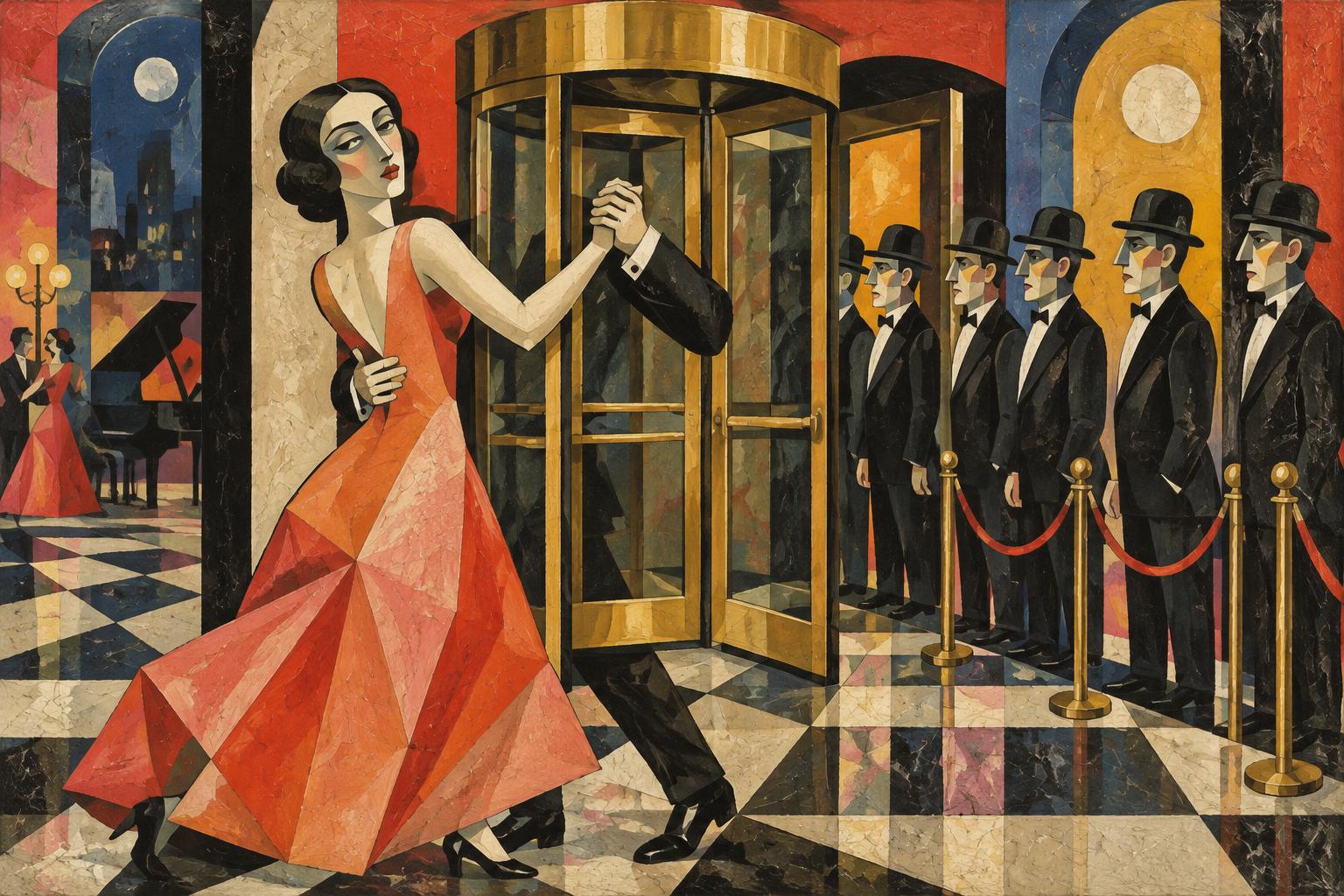
This is why the experience can be so unsettling. To recognise someone is to realize that you are not as private as you thought. It suggests a shared grammar of the soul, a secret brotherhood of experience that bypasses the ego. You see in them a certain quality - perhaps a ruthless honesty, or a terrifying vulnerability - that you have spent years keeping under lock and key. Their arrival is a summons. They are not merely a person; they are a location on your internal map that you have finally reached after decades of wandering.
The Messenger and the Message
There is a peculiar cruelty in these encounters: the most significant people are often the ones who stay for the shortest duration. We might spend a single night talking to a stranger in a Departures lounge, sharing the secrets of our marrow, and then never see them again. In the traditional sense of a "relationship," this is a failure. But in the logic of the personal myth, it is a perfect success. If a person is a messenger, they have no obligation to stay once the letter has been delivered. Their role was to trigger the constellation, to wake the sleeping part of you, and then to vanish back into the world of shadows.
We often make the mistake of trying to capture these people, to domesticate the lightning they bring. We try to turn a moment of cosmic recognition into a decades-long marriage or a lifelong friendship, and we are disappointed when the charge begins to fade. We forget that they were not the destination, but the signpost. They arrived to show us that a certain kind of life was possible, or that a certain wound was ready to be healed. Once the bridge has been crossed, the bridge is no longer the point. To hold onto them too tightly is to miss the very lesson their presence was meant to impart: that the intensity you felt in their company was actually your own power reflecting back at you.
The Architecture of the Fated Encounter
As we grow older, the nature of these recognitions changes. In youth, we are recognized by many, for our edges are still soft and our potential is vast and unformed. But in the second half of life, the "significant other" becomes a rare and precious phenomenon. We become more selective, our internal architecture more complex. When the click happens in our later years, it has a weight to it that is almost tectonic. It is the recognition of an equal, a fellow traveler who has survived the same shipwrecks and seen the same distant shores.
You realize, sitting across from such a person, that you are both participants in a drama that was scripted long before you were born. There is no need for small talk, for the performative dance of the persona. You are both tired of the masks. You look at them and think: So, it is you. At last. And even if the encounter ends with a simple handshake and a parting of ways, you walk away feeling more solid, as if a missing coordinate of your history has finally been confirmed. You are no longer drifting; you have been seen, and in being seen, you have been brought further into existence.
The Unfolding Narrative
We are accustomed to thinking of our lives as a series of random accidents, a chaotic accumulation of days and choices. But when we look back through the lens of these significant encounters, a different structure begins to emerge. These people appear at the precise moment of a transition, standing at the crossroads like the gatekeepers of old myths. They are the heralds who announce that the old way of living is over and that the New Land is approaching, even if we cannot see it yet over the horizon.
This recognition is the primary mechanism by which we grow. We cannot see ourselves directly; the eye cannot look into its own pupil. We need the other to serve as the dark glass through which we catch a glimpse of our own hidden face. Every time you feel that sudden, inexplicable pull toward a stranger, you are being offered a chapter of yourself that has yet to be read. These encounters are the punctuation marks in the long, winding sentence of your becoming. They remind you that you are part of a larger, older story, and that even in your loneliest hours, you are constantly being sought out by the parts of yourself you have yet to meet.
Related Reading
Why We Attract the Same Relationships Again and Again · Meeting the Shadow Self · What Is Personal Mythology?
Every recurring dream, repeated relationship, and returning question is a sentence from the same deeper story. Read what Personal Mythology means at MythRadar - or explore your own with MythRadar.
Continue the thread
If this article resonated, three places to go next:
- Look up the symbols this touches in the Stranger Dreams and Archetypal Dreams entries.
- New here? What MythRadar is - why we treat dreams and recurring patterns as personal mythology rather than fortune-telling.
- Ready to map your own pattern? Begin your personal mythology profile.
I post the short version of these on Instagram most days. Follow @mythradar on Instagram